The History of Nauru
Three thousand years on a raised coral island just south of the equator — from the first voyagers and the twelve clans, through a century of phosphate, war and exile, to the world’s smallest republic.
A small island with a large story
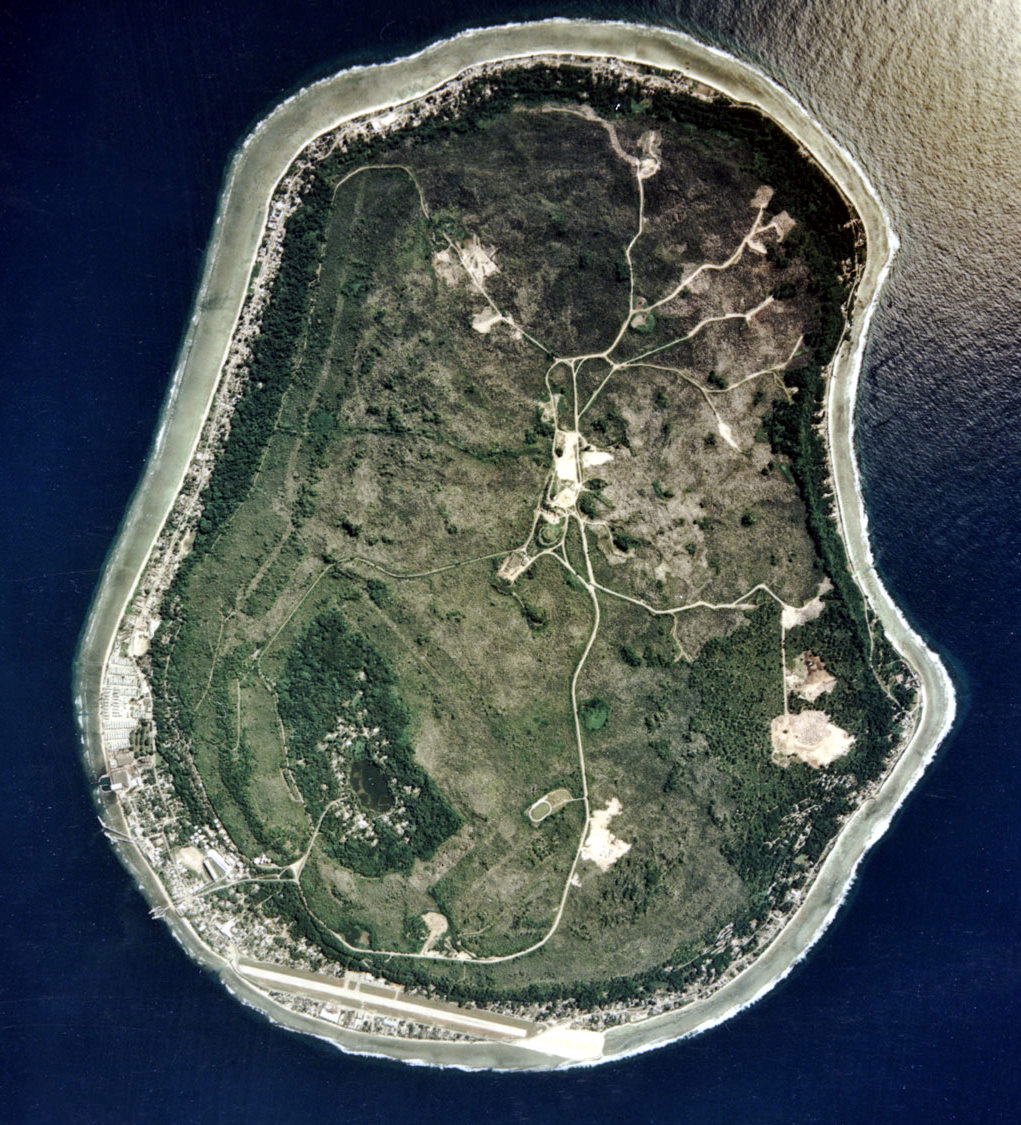
Nauru is one of the smallest nations on Earth — a single oval island of 21 square kilometres, ringed by a coral reef and standing alone in the central Pacific, about 40 kilometres south of the equator.
Its nearest neighbour, Banaba in Kiribati, lies some 300 kilometres to the east. Yet the history of this small place reaches far beyond its shores. For thousands of years, Nauruans built a society finely tuned to life on a remote island. Then, within a single century, came whalers and beachcombers, German annexation, the discovery of some of the richest phosphate rock in the world, two world wars, and a wartime deportation that came close to destroying the Nauruan people.
In 1968 Nauru emerged as an independent republic — and, for a time, one of the wealthiest countries per person anywhere. What followed, from boom to collapse to a determined search for a future, is one of the most remarkable stories of the modern Pacific.
This site tells that story in three eras. Start at the beginning, jump to the period that interests you, or follow the complete timeline.
Explore Nauru’s history
Each era brings together an overview, key dates and in-depth articles.
Early Nauru
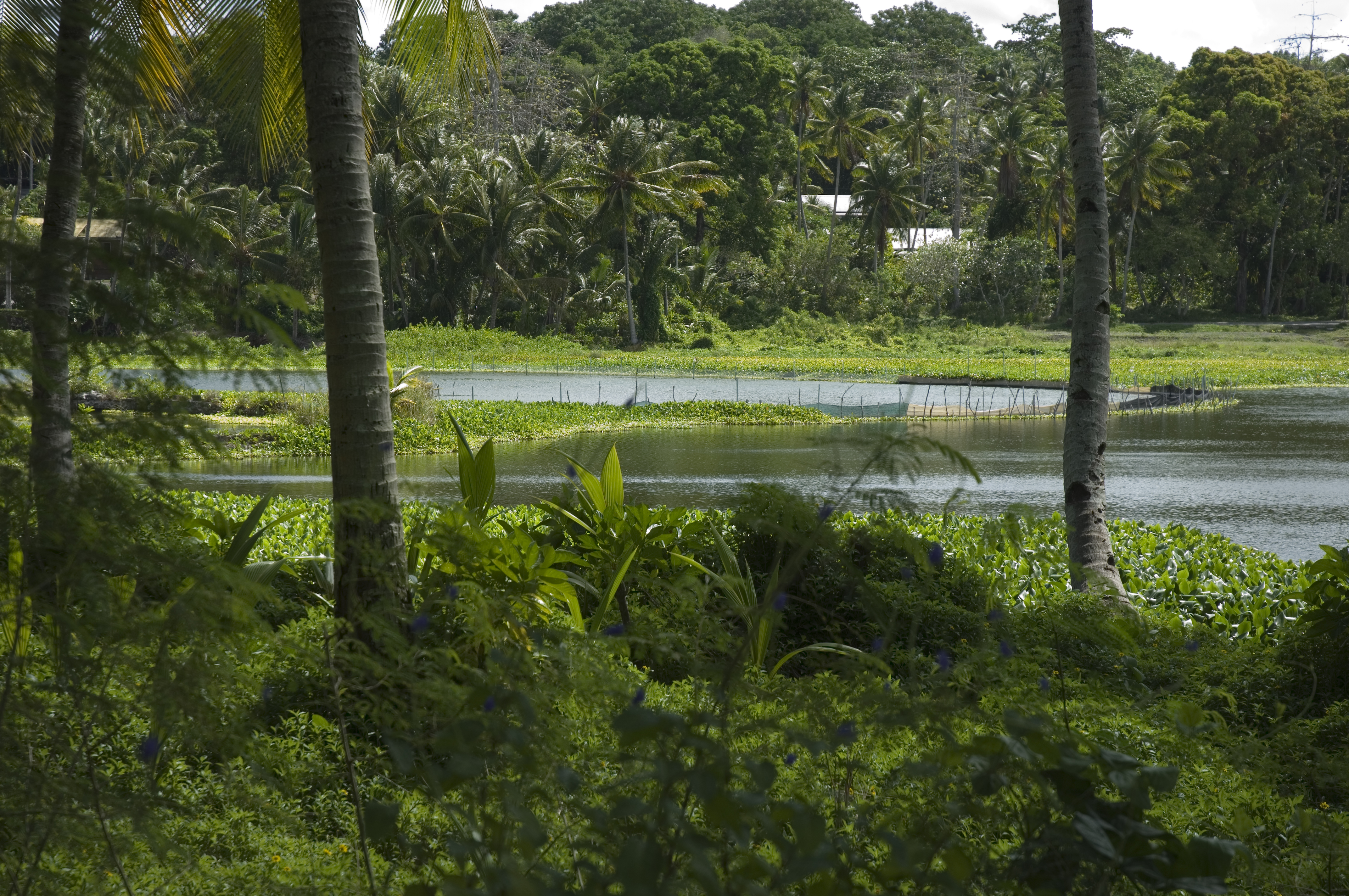
Earliest settlement – 1888Ocean voyagers, the twelve clans, lagoon fish farms and frigatebird catchers — and the ships, guns and war that followed first contact.
Explore the era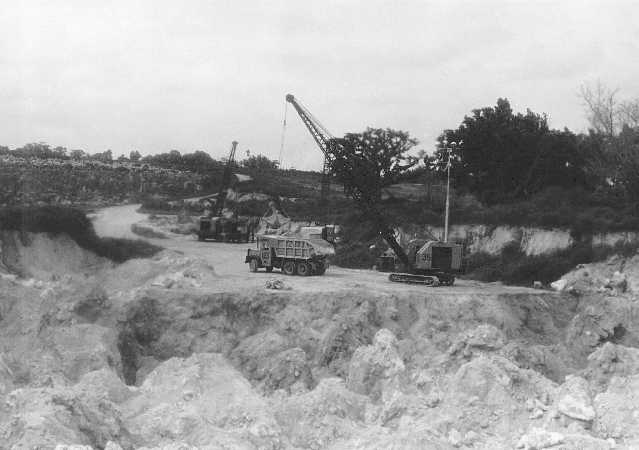
Colonial Nauru
1888 – 1968German annexation, the phosphate rush, two world wars, exile to Chuuk, and the long campaign that won Nauru its independence.
Explore the era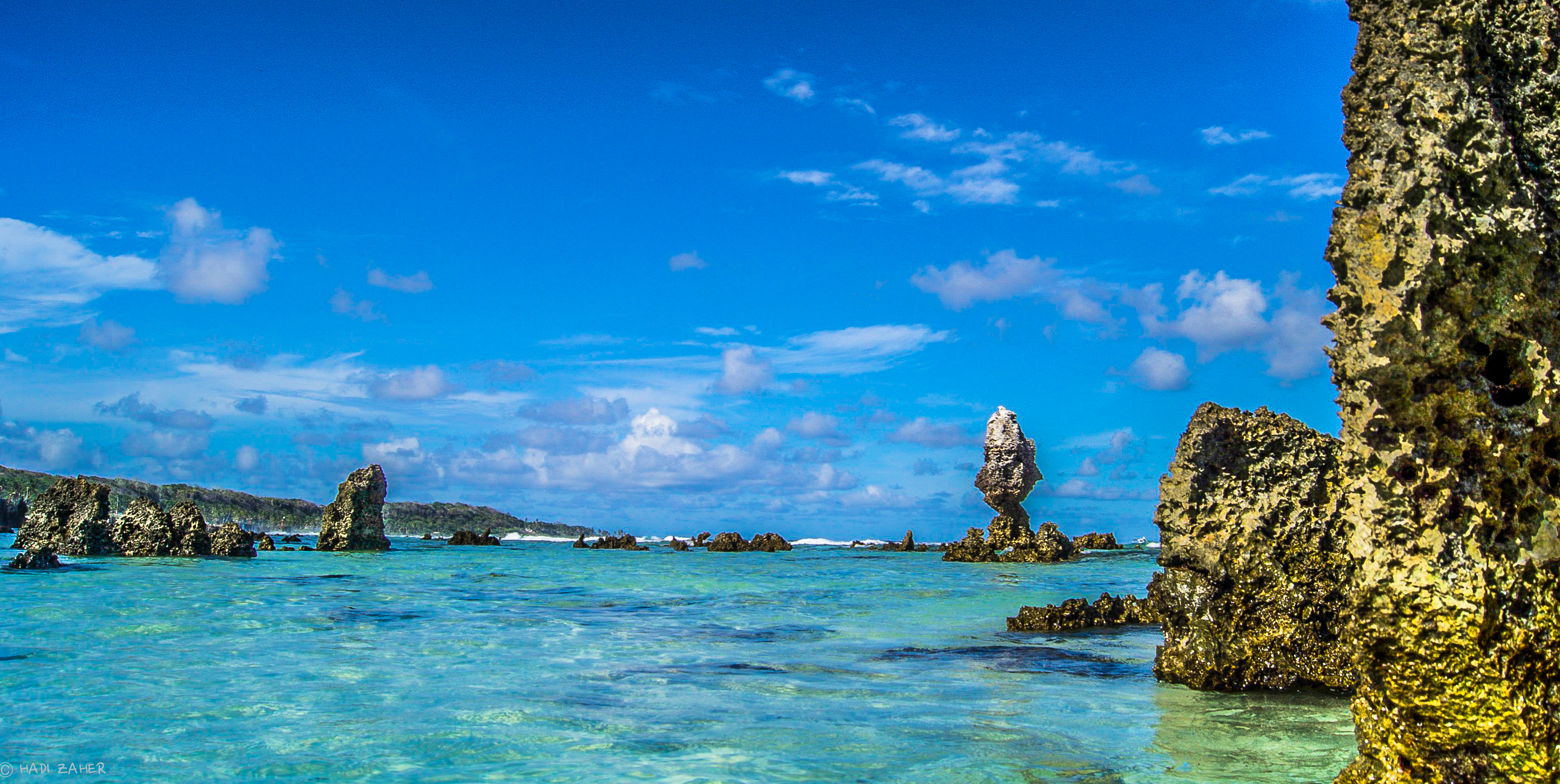
Modern Nauru
1968 – todayThe world’s smallest republic: phosphate riches, financial collapse, offshore processing, and the fight for the island’s future.
Explore the eraIn-depth articles

The Doorstop That Changed an Island
How a rock propping open an office door in Sydney set off a century of phosphate mining.
Exile to Chuuk
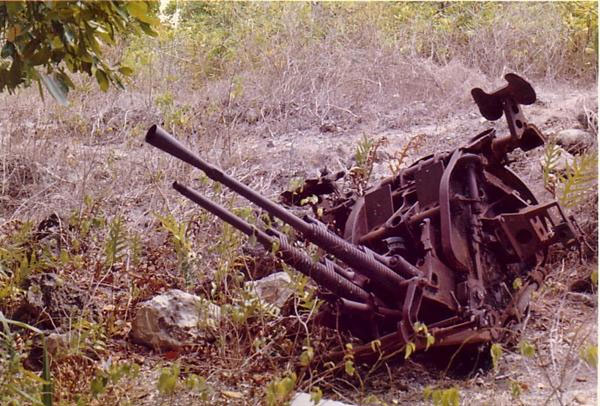
Occupation, deportation and homecoming: Nauru’s experience of the Second World War.
Boom and Bust
How phosphate made Nauru one of the richest countries on Earth — and how the fortune slipped away.
Nauru through time
- c. 1000 BCESeafaring settlers make the island their home (estimated)
- 1798Captain John Fearn sights the island and calls it “Pleasant Island”
- 1888Germany annexes Nauru, ending ten years of civil war
- 1906Large-scale phosphate mining begins
- 1943Japanese forces deport about 1,200 Nauruans to Chuuk
- 1968Independence: the world’s smallest republic is born
- 1993Australia settles Nauru’s case at the International Court of Justice
Why Independence Day falls on 31 January
Nauru chose 31 January for its independence in 1968 because it was already a day of homecoming: on that date in 1946, the survivors of the wartime deportation to Chuuk finally returned to the island.
Read the storyAngam: the day the nation reached 1,500
Every 26 October, Nauruans celebrate Angam Day. It marks the moment in 1932 when the population recovered to 1,500 — the number long believed necessary for the Nauruan people to survive — after decades of war and epidemic.
Learn more