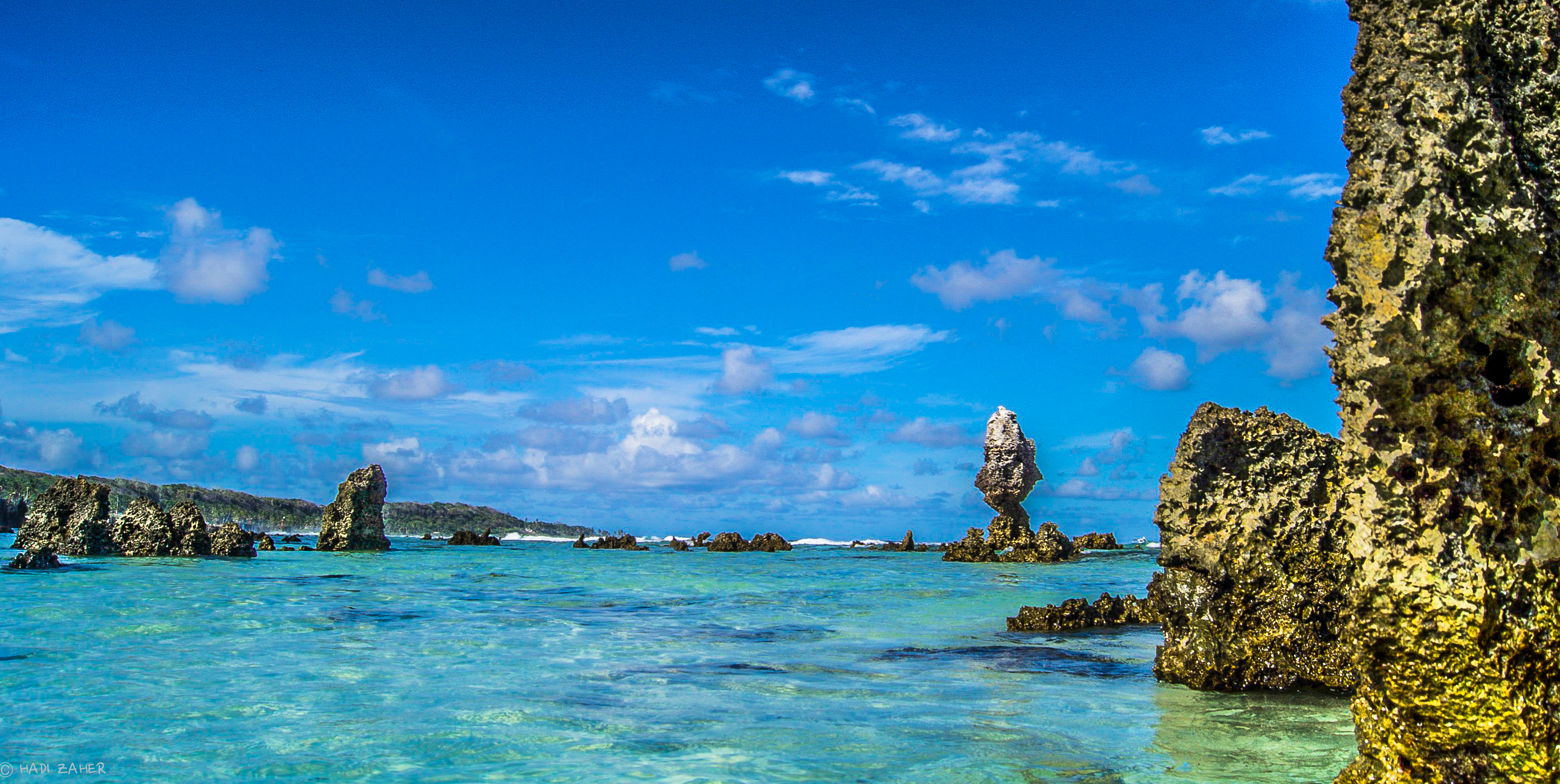
On 31 January 1968, Nauru became the smallest republic in the world and the second Pacific Island nation, after Samoa, to win its independence. It entered the world with a population of just a few thousand and an economy that rested almost entirely on a single, finite resource.
At a glance
- Head of state
- President, elected by Parliament
- Parliament
- 19 members
- UN member
- Since 1999
- Population
- About 12,000
- Main income
- Fishing licences, Australian partnership, phosphate
Key dates
- 1968Independence
- 1970Nauru takes over phosphate mining
- 1989Case filed against Australia at the ICJ
- 1993A$107 million settlement
- 1999Joins the United Nations
- 2001Offshore processing centre opens
- 2024Recognition switches to Beijing
Chapter 1The world’s smallest republic
Nauru’s constitution created a parliamentary republic. Members of Parliament are elected by the people, and Parliament in turn elects the President, who serves as both head of state and head of government. Hammer DeRoburt, who had led the independence campaign, became the first President and dominated the country’s politics for the next two decades. Every President since is listed on the Leaders page.
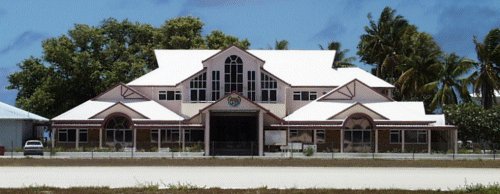
Nauru joined the Commonwealth as a special member at independence and became a full member in 1999, the same year it joined the United Nations. The country has no official capital: Parliament House and most government offices stand in Yaren District on the island’s south coast.
Chapter 2Phosphate riches
In 1970 the Nauru Phosphate Corporation took full control of mining, and for the first time the profits stayed on the island. Through the 1970s and early 1980s, Nauru’s income per person was among the highest in the world. The government provided free health care and education, and there was no income tax.
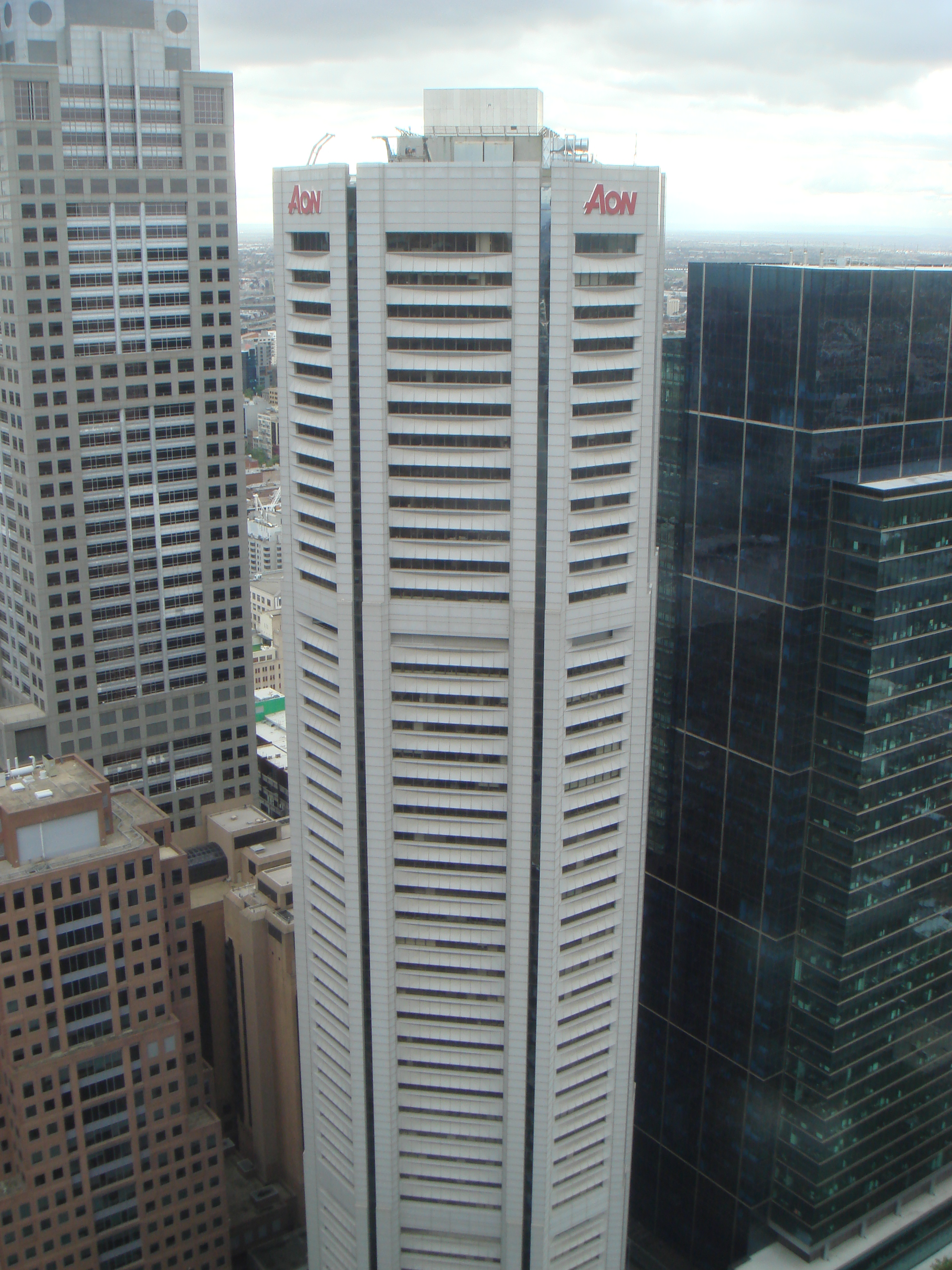
Much of the phosphate revenue was set aside for the future through the Nauru Phosphate Royalties Trust, which bought property across the Pacific and beyond — most famously Nauru House, a 52-storey office tower in Melbourne. A national airline, Air Nauru, linked the island to the region. Yet the wealth was unevenly shared, often poorly invested and, above all, temporary.
Chapter 3Justice for the land
Independence had not settled who should pay for the damage done by mining before 1968. In 1987 Nauru set up a Commission of Inquiry into the rehabilitation of its worked-out phosphate lands, chaired by the Sri Lankan jurist Christopher Weeramantry. It concluded that Britain, Australia and New Zealand bore responsibility for restoring the land mined during their administration.
In 1989 Nauru took Australia to the International Court of Justice. After the court ruled in 1992 that it could hear the case, Australia agreed in 1993 to an out-of-court settlement worth A$107 million, with Britain and New Zealand contributing. It was a landmark: one of the world’s smallest nations holding its former administrators to account before the world’s highest court.
Chapter 4Collapse and crisis
By the 1990s the easily mined phosphate was running out, and the investments meant to replace it were failing. Poor decisions, mismanagement and corruption drained the Royalties Trust. One notorious venture, a London musical about Leonardo da Vinci, closed within weeks in 1993.
Nauru searched for new sources of income. It sold passports and allowed hundreds of offshore banks to register on the island with little oversight. In 2000 the international Financial Action Task Force placed Nauru on its blacklist of countries failing to combat money laundering; after reforms that closed down the offshore banking sector, it was removed from the list in 2005.
Politics grew unstable. Between 1989 and 2004 the presidency changed hands more than a dozen times, sometimes several times in a single year. By the early 2000s the country was close to bankruptcy. There were power cuts and fuel shortages, communications with the outside world failed for a time, and Nauru House was sold in 2004 to pay debts. Australia provided emergency assistance and seconded officials to help manage the nation’s finances. From the mid-2000s a slow recovery began, helped by the restart of phosphate mining from deeper, secondary deposits.
Chapter 5Offshore processing
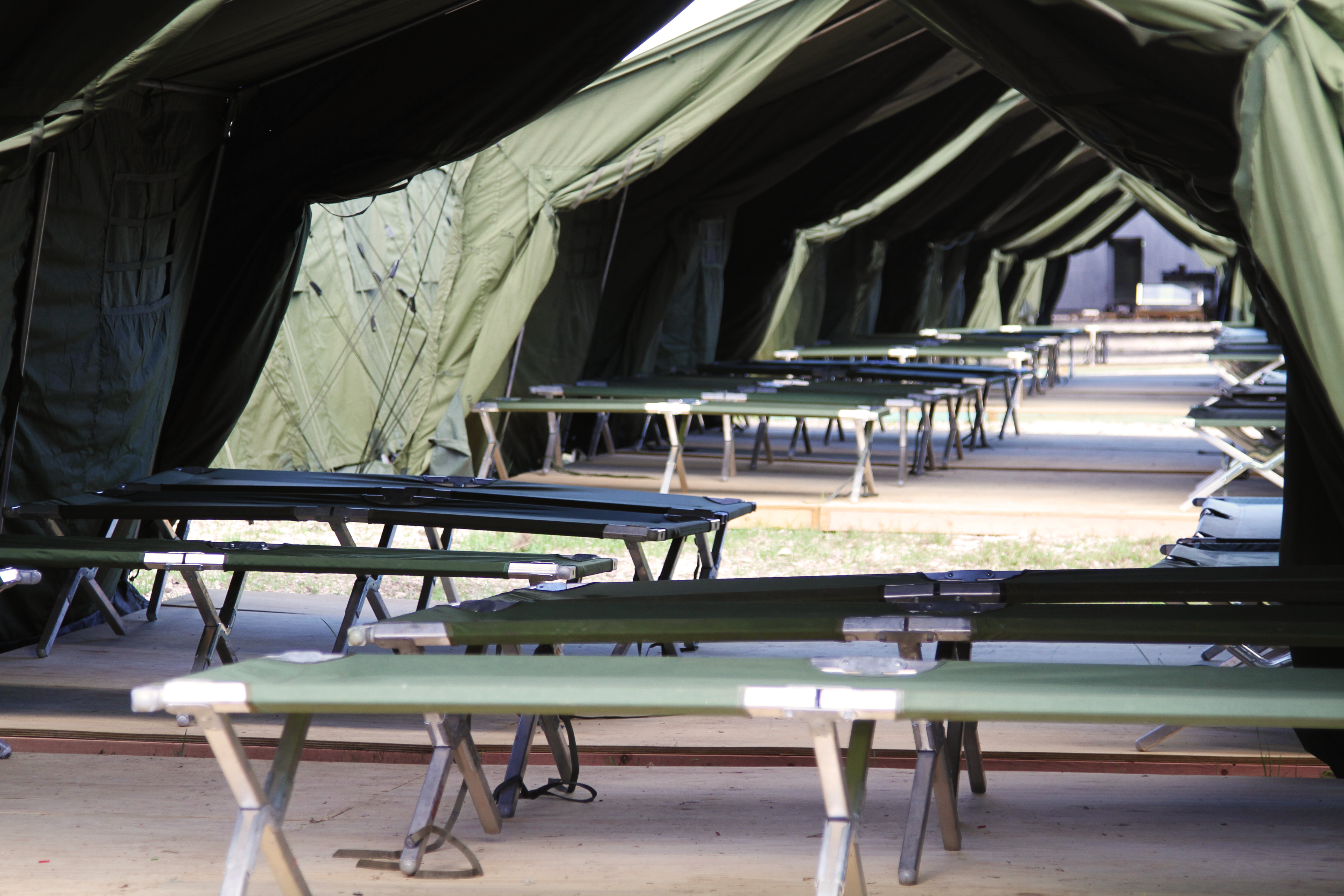
In 2001, after the Tampa affair — in which a Norwegian freighter rescued more than 400 asylum seekers at sea and was refused permission to land them in Australia — the Australian government reached an agreement with Nauru to hold asylum seekers on the island while their claims were assessed. The arrangement became known as the “Pacific Solution”.
The centre closed in 2008 and reopened in 2012 under a new Australian policy. For Nauru it became a major source of revenue and employment. Internationally, it became one of the most controversial arrangements in the region: United Nations bodies, human rights organisations and medical groups raised serious concerns about conditions and about the mental health of people held for years, including children. Numbers fell sharply in the late 2010s as many refugees were resettled in the United States and elsewhere, but the arrangement has continued into the 2020s.
Chapter 6Nauru in the world
For a nation of around 12,000 people, Nauru has played an outsized diplomatic role. The ocean around it is rich in tuna, and in 1982 the island gave its name to the Nauru Agreement, under which Pacific nations cooperate to manage their shared fisheries. Licence fees paid by foreign fishing fleets are now among the country’s most important sources of income.
Nauru has switched its diplomatic recognition between Taiwan and the People’s Republic of China more than once — to Beijing in 2002, back to Taipei in 2005, and to Beijing again in January 2024. In 2018 it hosted the Pacific Islands Forum, whose leaders adopted the Boe Declaration on regional security, named after the Nauruan district where they met. In December 2024 Nauru and Australia signed a treaty under which Australia committed to long-term budget, banking and security support, and which gives Australia a say over any security agreements Nauru makes with other countries.
Chapter 7Facing the future
Nauru’s future is bound up with two great challenges: climate change, and what to do with its mined-out interior. Most Nauruans live on the narrow coastal belt, only a few metres above sea level, where rising seas, storm surges and drought threaten homes, water supplies and roads. The government’s answer is the Higher Ground Initiative, a long-term plan to rehabilitate land on Topside and gradually move housing and services to the island’s higher interior.
Nauru has also looked to the ocean floor. In 2021 it triggered a rule requiring the International Seabed Authority to finalise regulations for deep-sea mining, in support of a Nauru-sponsored company seeking to collect mineral-rich nodules from the Pacific seabed — a move that drew both support and fierce criticism.
Chapter 8Nauru today
Nauru today is home to around 12,000 people. Nauruan and English are both widely spoken, most Nauruans belong to Christian churches, and the national calendar is marked by Independence Day on 31 January and Angam Day on 26 October. Australian rules football is the national game, and weightlifting — in which Nauruans have won Commonwealth Games medals — is a source of great pride.
The country also faces serious public health challenges. A diet transformed by decades of imported, processed food has left Nauru with some of the highest rates of obesity and type 2 diabetes in the world.
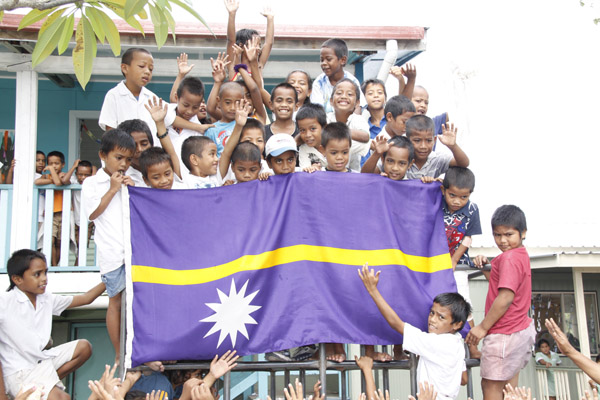
After three thousand years of settlement, two centuries of contact and more than a century of mining, Nauruans are still here — and still writing their own history.