The colonial era began with a gunboat and ended with a republic. In between, the discovery of phosphate made Nauru an object of intense interest to empires — and left its people fighting for a say over their own land.
At a glance
- Ruled by
- Germany; Britain, Australia & New Zealand; Japan (1942–45)
- Main industry
- Phosphate mining
- Mining began
- 1906
- Wartime exile
- About 1,200 deported to Chuuk
- Independence
- 31 January 1968
Key dates
- 1888German annexation
- 1900Phosphate confirmed on Nauru
- 1914Australian forces take control
- 1920League of Nations mandate
- 1942Japanese occupation begins
- 1947UN trust territory
- 1968Independence
Chapter 1Under the German flag, 1888–1914
Germany governed Nauru as part of its Marshall Islands Protectorate, administered from Jaluit in the Marshall Islands. A small administrative station was set up on the island, the ban on firearms and alcohol was enforced, and the trade in copra — dried coconut — became the main link with the outside world. Much of the colony’s business was shaped as much by a German trading firm, the Jaluit Company, as by government officials.
Missionaries followed the flag. In 1899 the Protestant missionary Philip Delaporte arrived and began the long work of translating scripture and hymns into Nauruan; Catholic missionaries arrived soon afterwards. Within a generation, Christianity had become central to Nauruan life, as it remains today. Mission schools also brought literacy — and with it a new generation of Nauruans able to deal with colonial officials on their own terms.
Chapter 2The phosphate rush
In 1900, the prospector Albert Ellis confirmed what a curious rock in a Sydney office had hinted at: Nauru, like its neighbour Banaba, sat on vast deposits of high-grade phosphate, a key ingredient of agricultural fertiliser.
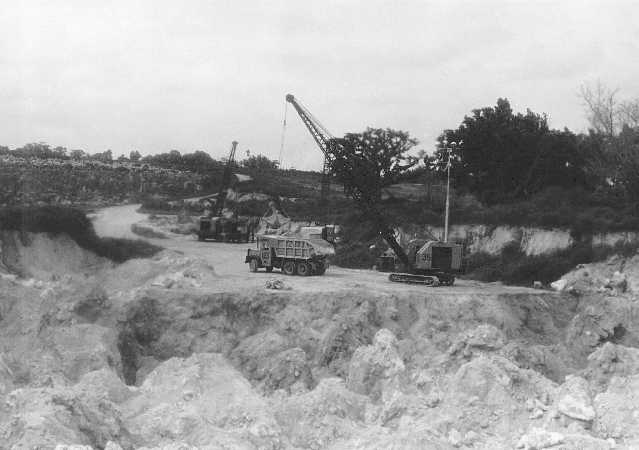
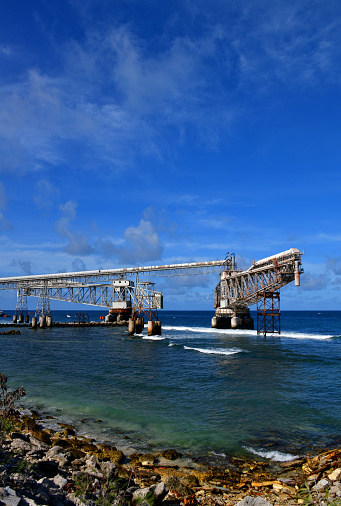
Because Nauru was German territory, the British-owned Pacific Phosphate Company had to reach an arrangement with German interests. Mining began in 1906 and the first shipments left the following year. It was hard, manual work. Labourers, many of them recruited from China and from other Pacific islands, dug the phosphate from between the limestone pinnacles by hand and moved it by light railway to the coast.
Chapter 3Mandate and the Phosphate Commissioners
When the First World War broke out, Australian forces occupied Nauru in November 1914 and the German administration came to an end. After the war, Britain, Australia and New Zealand all wanted a share of the island’s phosphate. Their solution was the Nauru Island Agreement of 1919. The three governments bought out the Pacific Phosphate Company and created a joint body, the British Phosphate Commissioners, to mine the island and sell its phosphate to farmers in their own countries at cost rather than at market price.
In 1920, the League of Nations confirmed Nauru as a mandated territory, held jointly by the three governments and administered by Australia. The same year, an influenza epidemic swept the island and killed an estimated 18 per cent of the Nauruan population.
Chapter 4The price of phosphate
The mandate years were a time of steady extraction. Year after year, vast quantities of phosphate left Nauru to fertilise the farms of Australia and New Zealand. Nauruans received royalties, but at rates that were a tiny fraction of the phosphate’s value, and they had little say in how or where their land was mined.
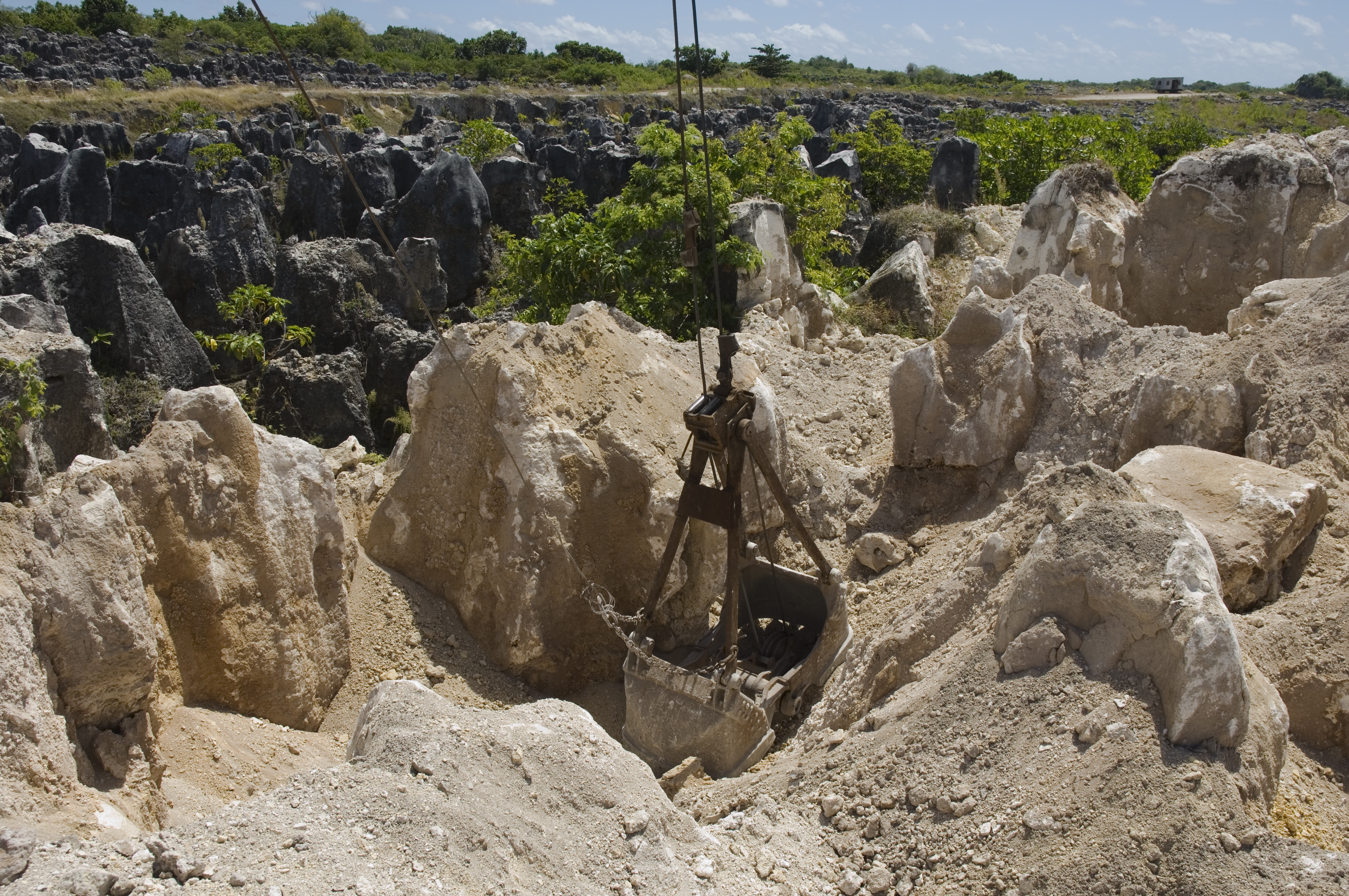
Once the phosphate had been dug out from between the pinnacles, what remained was a jagged wilderness of grey limestone, useless for farming or building. The mining companies were under no obligation to restore it. Each year, a little more of the island’s interior disappeared.
Chapter 5War and exile, 1940–1946
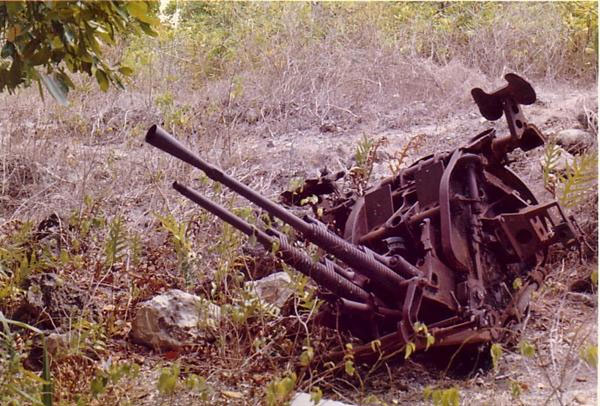
The Second World War reached Nauru in December 1940, when German raiders sank several phosphate ships nearby and shelled the island’s mining installations. In August 1942, Japanese forces occupied Nauru; most Europeans had been evacuated earlier that year. The Japanese built an airstrip and fortified the island.
In March 1943, after Allied air raids began, the Japanese executed five Australians who had remained on the island, including the administrator. Later that year they deported about 1,200 Nauruans to Chuuk (then called Truk) in the Caroline Islands to work as labourers. Hunger, disease and bombing took a terrible toll, and 463 of the deportees died before the war ended. Those left behind on Nauru faced severe food shortages of their own.
The Japanese garrison surrendered in September 1945. On 31 January 1946, 737 survivors finally came home from Chuuk.
Chapter 6Trusteeship
In 1947 Nauru became a United Nations trust territory, again administered by Australia on behalf of Australia, Britain and New Zealand. The trusteeship system obliged the administering powers to prepare the territory for self-government, and it gave Nauruans a new forum, the UN Trusteeship Council, in which to argue their case.
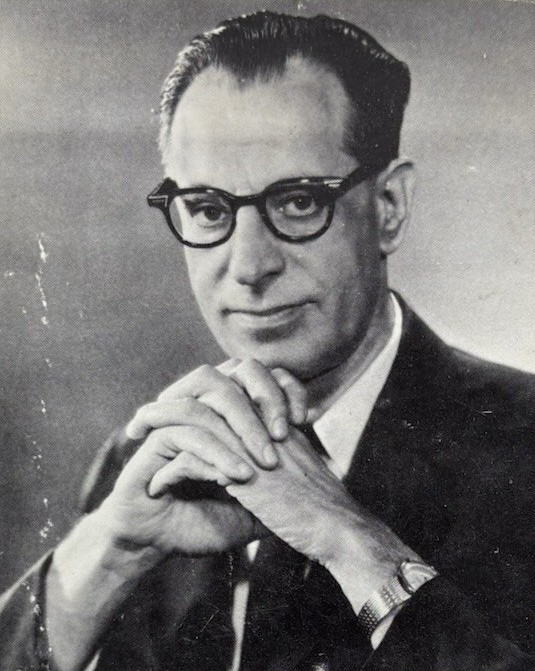
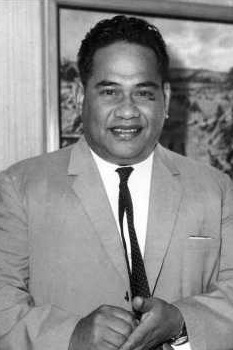
In 1951 the Nauru Local Government Council was established, giving Nauruans an elected body of their own led by a Head Chief. In the mid-1950s the council chose Hammer DeRoburt, a former teacher and survivor of Chuuk, as Head Chief. He would lead the campaign for independence. (See Leaders of Nauru.)
Chapter 7The road to independence
The central question was what would happen when the phosphate ran out. The administering powers argued that a mined-out Nauru would be uninhabitable, and in the early 1960s they explored resettling the entire Nauruan population elsewhere. The most serious offer, of Curtis Island off the coast of Queensland, came in 1964. Nauruans would have become Australian citizens but not an independent nation, and they turned it down.
Instead they pressed for two things at once: ownership of the phosphate industry and full independence. In 1967, after long negotiations, Nauru agreed to take over the phosphate operation from the British Phosphate Commissioners, a transfer completed in 1970. And on 31 January 1968, the anniversary of the return from Chuuk, Nauru became an independent republic, the smallest in the world.
The colonial era was over. The challenge now was to build a nation on an island whose greatest resource was running out.