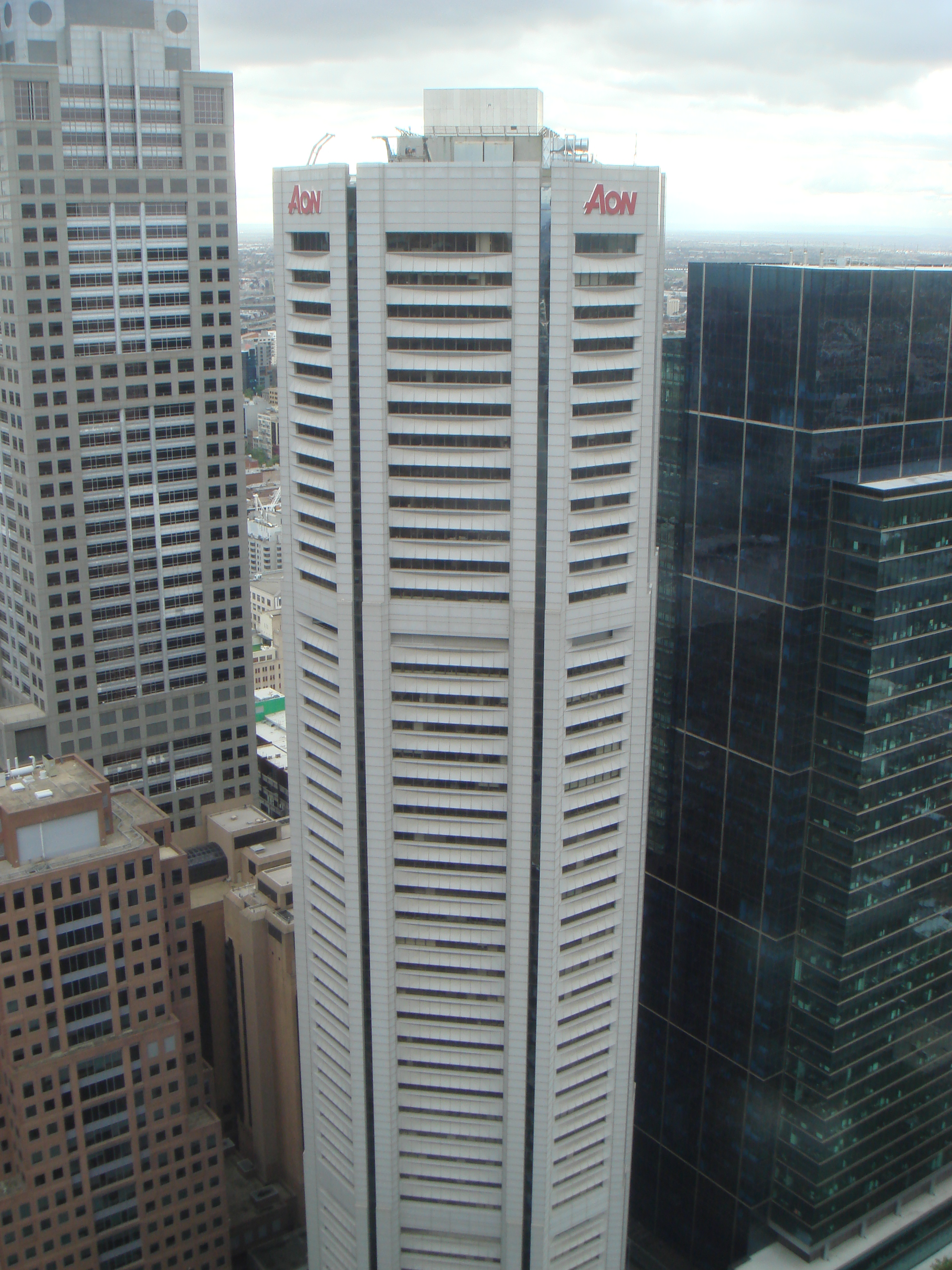
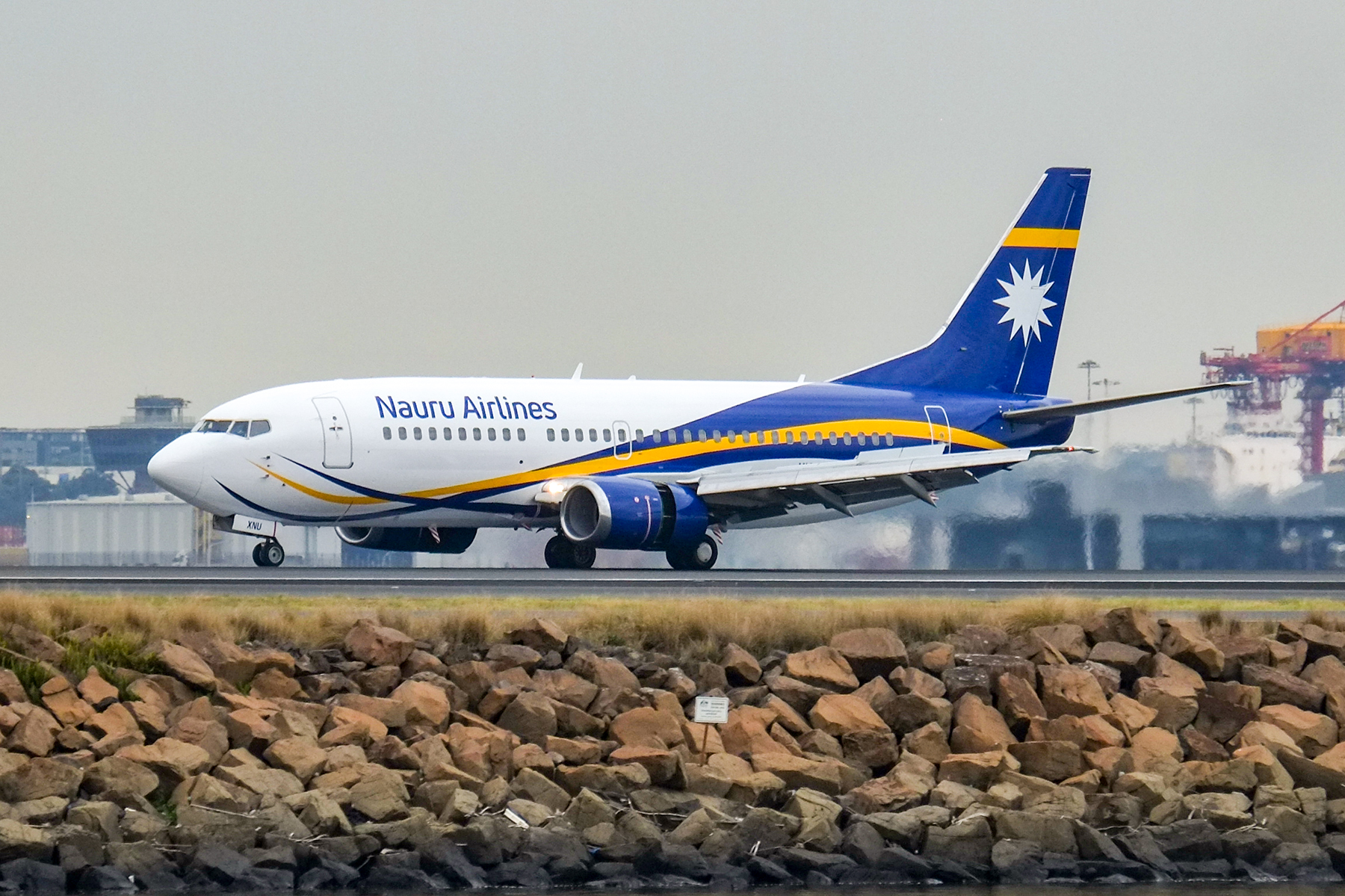
In the late 1970s, the people of one small Pacific island enjoyed an income per person that rivalled the oil states of the Persian Gulf. Nauruans paid no income tax. Health care and education were free. The national airline flew jet aircraft across the region, and a skyscraper in the centre of Melbourne bore the country’s name.
Barely a generation later, the same country was close to bankruptcy: its assets sold, its links to the outside world failing, its politics in turmoil. Nauru’s rise and fall is one of the most dramatic economic stories of the twentieth century — and one of the most instructive.
The money arrives
When the Nauru Phosphate Corporation took over the phosphate industry in 1970, the profits that had once flowed to Australia, Britain and New Zealand began to flow to Nauru. World phosphate prices rose steeply in the mid-1970s, and the island’s small population suddenly found itself enormously wealthy.
The revenue was divided in several ways. Landowners received royalties for their mined land. The government used its share to pay for public services. And a large portion went into the Nauru Phosphate Royalties Trust, a fund meant to provide for Nauruans once the phosphate was gone.
Investing for the future
In principle, the Royalties Trust was a sensible idea: turn a finite resource into a permanent income. In practice, its investments were a mixed and often troubled portfolio. The trust bought office buildings, hotels and land in Australia, across the Pacific and further afield. Its most famous purchase was Nauru House, a 52-storey tower on Collins Street in Melbourne, completed in 1977 and one of the tallest buildings in the city at the time.
Other ventures fared worse. Nauru put money into shipping, into its airline and into businesses abroad, many of which lost money. Decisions were often made by a small circle of officials with little oversight, and questions about competence and corruption were raised again and again.
The most notorious episode came in 1993, when money from Nauru financed a London stage musical about Leonardo da Vinci. It was savaged by critics, closed within weeks, and became a byword for the careless use of the island’s wealth.
Life in the boom years
On the island itself, wealth transformed daily life. Imported food, cars, electrical goods and building materials poured in. Much of the manual work in the mines and in public services was done by workers from other Pacific countries and from Asia, while many Nauruans took jobs in government.
Diet changed dramatically. Fish, coconut and pandanus gave way to imported rice, tinned meat, sugar and processed food. The consequences were severe and long-lasting: Nauru came to have some of the highest rates of obesity and type 2 diabetes in the world, problems that still shape public health on the island today.
Running out
All of this depended on phosphate, and the phosphate was finite. By the 1990s the richest and most accessible deposits had been worked out, and production fell steeply. At the same time, the value of the Royalties Trust was shrinking, eroded by poor investments, loans and withdrawals.
Nauru looked for new sources of income. In the 1990s it began selling passports and licensing offshore banks, hundreds of which were registered on the island with little scrutiny. The banks attracted international alarm: Nauru was accused of allowing large sums to be laundered through its financial system, and in 2000 it was placed on the blacklist of the Financial Action Task Force. After reforms that closed down the offshore banks, it was removed from the list in 2005.
Collapse
By the early 2000s, the situation had become desperate. The government struggled to pay its debts and its staff. There were power cuts and fuel shortages, and in 2003 the island was for a time cut off from international telephone contact. Politics became chaotic, with governments rising and falling in quick succession: between 1989 and 2004 the presidency changed hands more than a dozen times.
Creditors pursued Nauru’s overseas assets. In 2004 Nauru House itself — the great symbol of the boom — was sold to help settle the nation’s debts. Australia stepped in with financial assistance and sent officials to help manage Nauru’s finances.
Picking up the pieces
The recovery that began in the mid-2000s was slow and partial. Phosphate mining resumed on a smaller scale, extracting secondary deposits that lay deeper beneath the pinnacles. Public finances were rebuilt, helped by fishing licence fees and by payments linked to Australia’s offshore processing centre on the island. Nauru introduced taxation and tightened its financial controls, and in 2015 it established a new Intergenerational Trust Fund, with contributions from international partners, to provide for the future.
The lesson
Nauru’s story is often told as a cautionary tale about wasted riches, and there is truth in that. But it is also a story about the limits of choice on a small island that had been run, for most of the twentieth century, as a mine. The phosphate was always going to run out. Much of the land had been devastated before independence. And the country’s leaders had to build a nation and an economy at the same time, with few precedents to follow.
What is not in doubt is the cost. The boom years left Nauru with a ruined interior, a health crisis and a hard-won understanding of how quickly a fortune can disappear. How the island is trying to build a new future is the subject of Higher Ground.
Further reading
- Carl N. McDaniel and John M. Gowdy, Paradise for Sale: A Parable of Nature (Berkeley: University of California Press, 2000).
- Christopher Weeramantry, Nauru: Environmental Damage under International Trusteeship (Melbourne: Oxford University Press, 1992).
- Cait Storr, International Status in the Shadow of Empire (Cambridge University Press, 2020).