Long before it appeared on any European chart, Nauru — Naoero in its own language — was home to a people who had learned to thrive on one of the most isolated islands in the Pacific.
At a glance
- Settled
- At least 3,000 years ago (est.)
- Society
- 12 matrilineal clans
- Language
- Nauruan (Micronesian family)
- First sighting
- 1798, by the ship Hunter
- Population
- c. 1,400 before 1878 (est.)
Key dates
- c. 1000 BCESettlement, by most estimates
- 1798John Fearn names “Pleasant Island”
- 1830sWhalers and beachcombers arrive
- 1878The Ten Years’ War begins
- 1888German annexation ends the war
Chapter 1An island made by coral and birds
Nauru is a raised coral island. Its foundations are the summit of an ancient undersea volcano, capped by a thick layer of coral limestone that was lifted above the waves over millions of years. Across that limestone, rich deposits of phosphate rock slowly accumulated — thought to have formed as the droppings of countless seabirds reacted with the coral beneath. For most of the island’s human history, the phosphate was simply the ground under people’s feet. In the twentieth century it would become one of the most valuable resources in the Pacific.
The island has two distinct landscapes. A narrow, fertile coastal belt, only a few hundred metres wide in most places, runs right around the shore. Behind it, a coral cliff rises to a central plateau that Nauruans today call Topside, a rugged country of limestone outcrops and scrub. Its highest point is barely 70 metres above the sea.
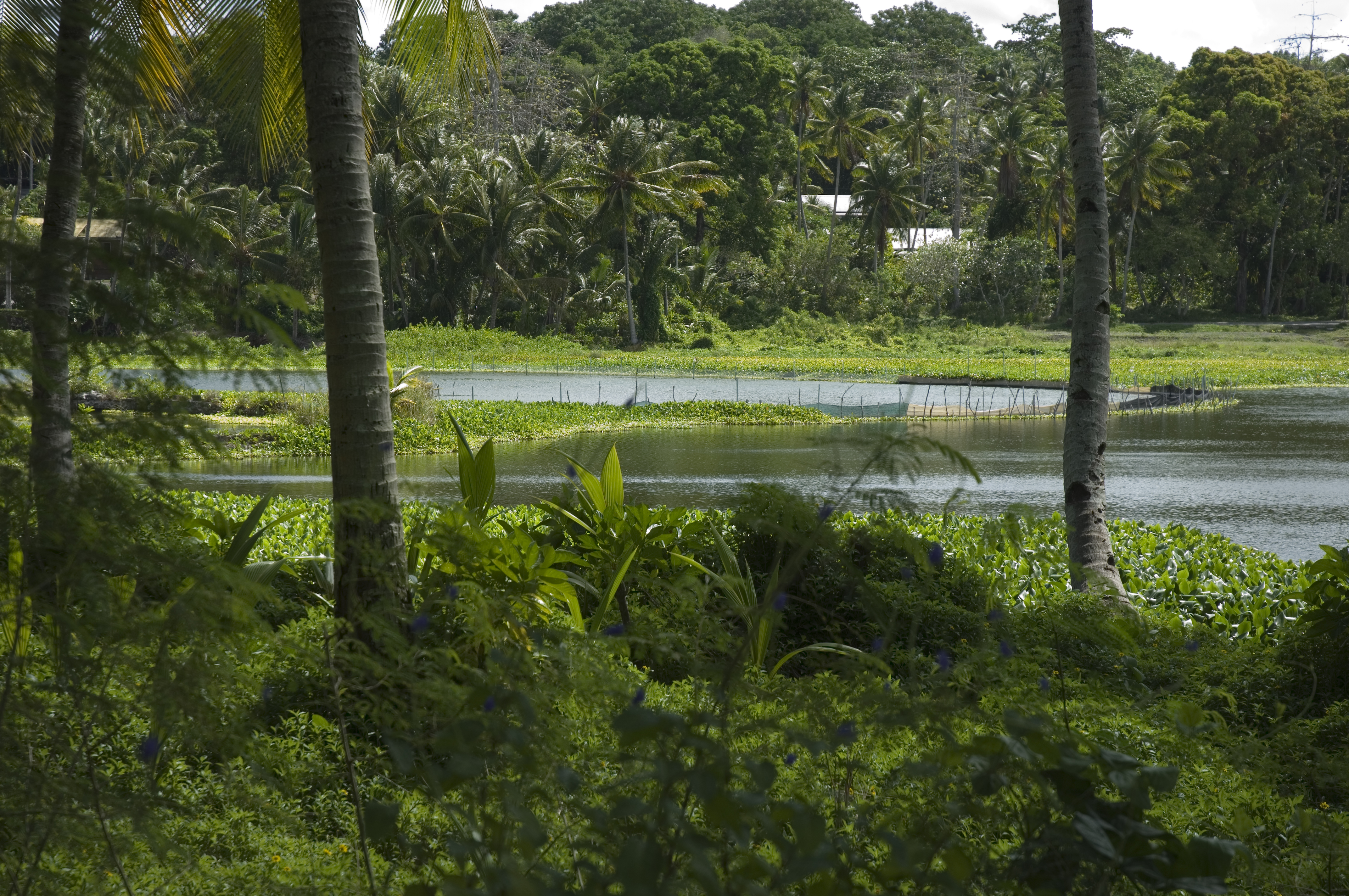
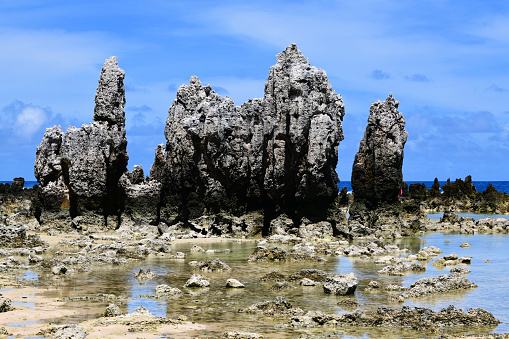
Around the whole island runs a fringing reef, exposed at low tide and studded with pinnacles of coral limestone. There is no natural harbour and there are no rivers or streams. Fresh water came from the rain and from a thin lens of groundwater beneath the island, and droughts could last for months. In the south-west lies Buada Lagoon, a small landlocked body of brackish water fringed with palms — one of the few permanent bodies of water on the island, and a centre of traditional life.
Chapter 2The first Nauruans
No one knows exactly when people first reached Nauru, but the island is generally thought to have been settled at least 3,000 years ago by seafarers from elsewhere in the Pacific. The Nauruan language belongs to the Micronesian family of Oceanic languages, yet it is distinctive enough that linguists have long treated it as an outlier — a mark of long centuries of isolation. Nauruan customs show connections with both Micronesian and Polynesian cultures.
Society was organised around twelve clans. Membership passed through the mother’s line: a child belonged to their mother’s clan, and rights to land and standing in the community followed those lines of descent. Nauruan society was also ranked, with chiefly families holding authority over land, fishing grounds and the settlement of disputes.
Land was — and still is — owned by families and individuals, and virtually every piece of ground on the island belongs to someone. It is a detail that would matter enormously once the value of the phosphate beneath that ground was discovered.
Chapter 3Living from reef, lagoon and tree
Life on Nauru depended on the careful use of limited resources. The coastal belt supported coconut palms and pandanus, which provided food and drink, timber, thatch and fibre for mats, rope and sails. Pandanus fruit could be dried and stored, an important reserve when drought struck.
The sea was the island’s great larder. Men fished the reef and the deep water beyond it from outrigger canoes, and the reef flat yielded shellfish and small fish at low tide. Nauruans also practised a remarkable form of aquaculture: young milkfish, known as ibija, were gathered from the sea, gradually accustomed to fresher water, and raised in Buada Lagoon and in ponds around the island — a dependable source of food when the ocean was too rough to fish.
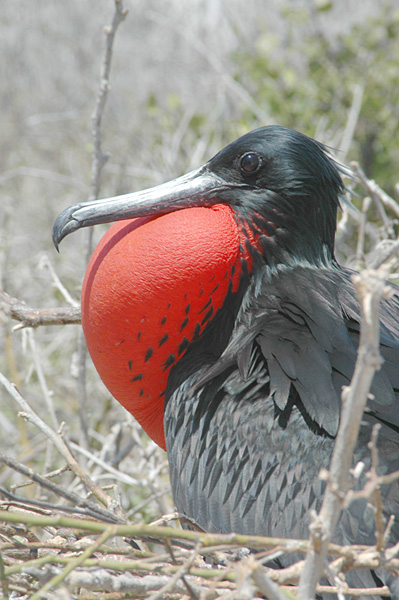
Birds mattered too. Catching frigatebirds was among the most prestigious pastimes on the island. Men kept tamed birds and used them to draw wild ones close, then brought them down with a weighted cord — a test of patience and skill that carried real social standing. Nauruans also developed an unusually rich tradition of string figures: intricate designs made from a single loop of cord, often accompanied by chants and stories.
Chapter 4Stories and beliefs
Before the arrival of Christianity, Nauruans held a rich body of beliefs about gods, ancestors and spirits. Accounts recorded in the early twentieth century describe a female deity, Eijebong, and a spirit land called Buitani, to which the souls of the dead were believed to travel.
One well-known creation story tells of Areop-Enap, the “ancient spider”, who found a giant clam floating in the endless darkness. In one version of the tale, the spider prised the shell open with the help of other creatures: the upper half became the sky and the lower half the earth.
Knowledge of genealogy, land and history passed from one generation to the next through storytelling, chant and song. Much of what is known about this oral tradition today was written down by missionaries and ethnographers around the turn of the twentieth century — including the German researcher Paul Hambruch, whose two-volume study of Nauru was published in 1914–15.
Chapter 5Pleasant Island: first contact
The first recorded European sighting of Nauru came in November 1798, when the British ship Hunter, under Captain John Fearn, passed the island. Fearn was struck by its green coastline and by the many canoes that came out to meet his ship, and he named it Pleasant Island. He did not land, but the name stayed on European charts for much of the century that followed.
For several decades after Fearn, contact remained occasional. Nauru lay away from the main shipping routes, had no harbour, and offered little that interested passing traders. That began to change as the Pacific whaling industry expanded.
Chapter 6Beachcombers and traders
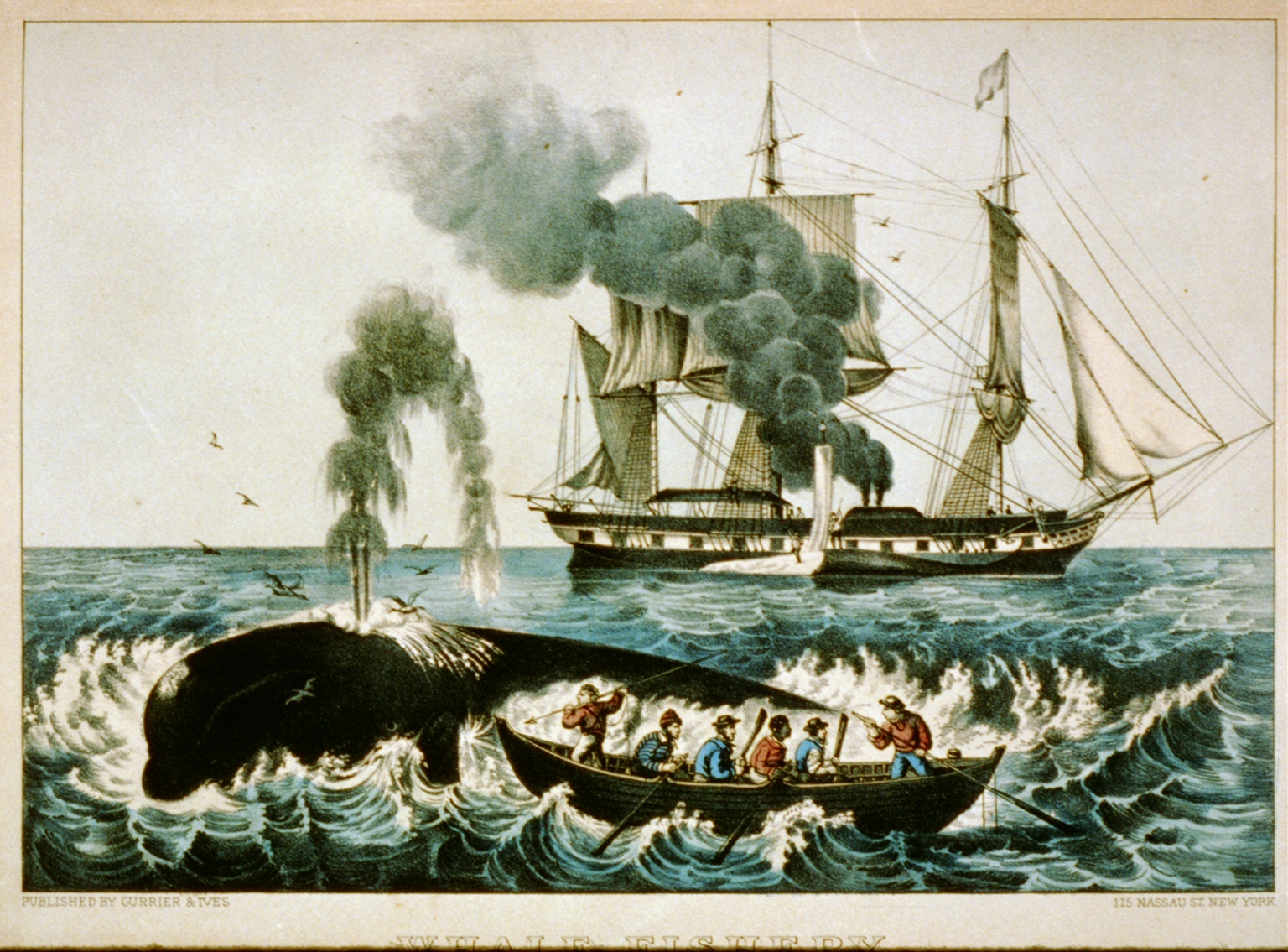
From the 1830s, whaling ships working the central Pacific began to call at Nauru to trade for coconuts and other fresh provisions. They brought iron tools, cloth and tobacco — and, increasingly, firearms and alcohol.
Some sailors never left. Deserters from whaling ships and escaped convicts from the penal colonies of Australia came ashore and stayed as beachcombers. A few made themselves useful as interpreters and go-betweens with visiting ships; some married into Nauruan families, and their descendants are part of the Nauruan community today. Others brought only violence and trouble.
Contact also brought new diseases. And as guns spread through the island, together with the practice of fermenting coconut sap into a strong alcoholic toddy, old rivalries between clans became far more dangerous than they had ever been.
Chapter 7The Ten Years’ War, 1878–1888
In 1878, a quarrel that began at a celebration — according to tradition, a marriage feast at which a young chief was shot — escalated into open warfare between rival clans. With firearms now widespread, the fighting was deadlier than anything the island had known.
The conflict dragged on for a decade. It disrupted fishing and food gathering, divided families, and left almost no one untouched. By the time it ended, the population is estimated to have fallen from about 1,400 to roughly 900 — a catastrophic loss for so small a people.
Chapter 8The end of an era
The war was finally ended from outside. Germany had been expanding its commercial and colonial interests in the western Pacific, and under an 1886 agreement with Britain, Nauru fell within the German sphere of influence.
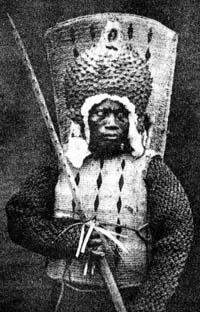
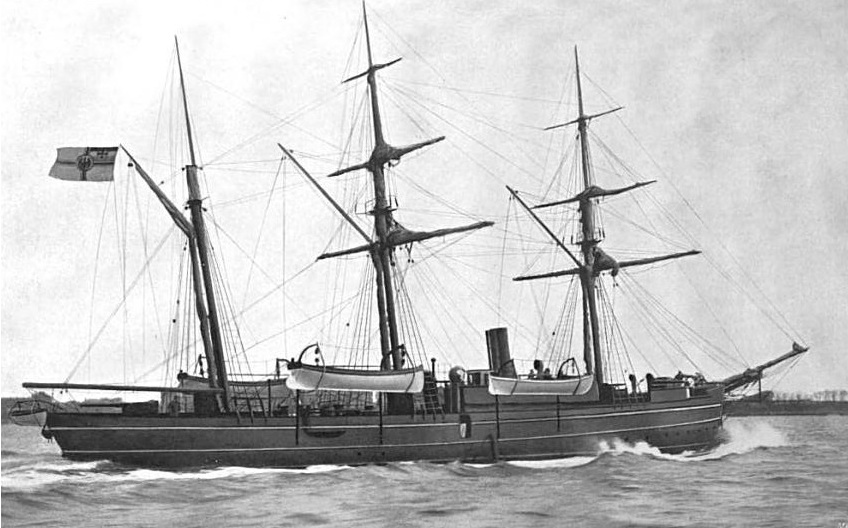
In October 1888, the German gunboat SMS Eber arrived with a detachment of troops. Nauru’s chiefs were detained until the islanders handed over their firearms; alcohol was banned; and the island was annexed to Germany’s Marshall Islands Protectorate. The Germans recognised a paramount chief, Auweyida, as “king”.
The Ten Years’ War was over. So, too, was Nauru’s independence. Within little more than a decade, the discovery of phosphate would transform the island — and the colonial era had begun.