Every year on 31 January, Nauru celebrates its Independence Day. The date was not chosen at random. On that day in 1946, the survivors of one of the most traumatic episodes in Nauruan history arrived back on the island. Of the roughly 1,200 people who had been taken away to Chuuk by Japanese forces, only 737 came home.
Raiders from the sea
The war reached Nauru early. In December 1940, two German surface raiders, the Orion and the Komet, attacked the phosphate ships gathered off the island and sank several of them. Later that month the Komet returned and shelled the island’s phosphate installations, damaging loading equipment and fuel stores.
It was a heavy blow to the phosphate trade — and a sign that Nauru’s strategic value, as a source of fertiliser and a potential airbase in the central Pacific, had not gone unnoticed.
Occupation
When Japan entered the war in December 1941, the danger grew sharply. Most European residents and many Chinese workers were evacuated in early 1942, but the Nauruan population remained. On 26 August 1942, Japanese forces landed and occupied the island.
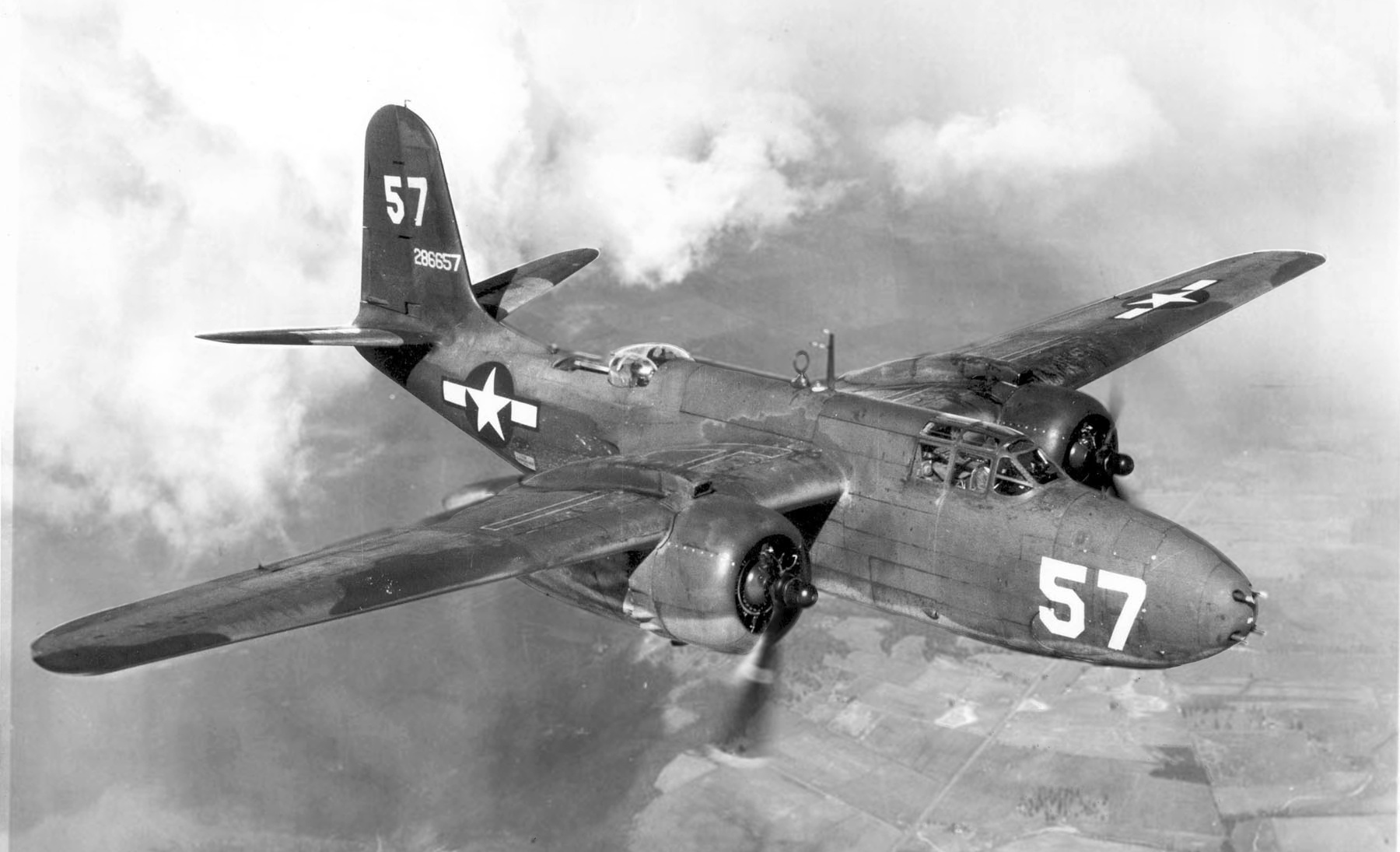
The Japanese set about turning Nauru into a fortress. They built an airstrip — the forerunner of today’s international airport — and dug gun emplacements, bunkers and tunnels into the limestone of Topside and the coastal cliffs. Labourers were brought in to help with the work, and the garrison grew into the thousands.
A handful of Australians had stayed on the island when the Japanese arrived, among them the Administrator, Lieutenant Colonel Frederick Chalmers. In March 1943, after the first Allied air raids on the new airstrip, the Japanese executed all five of them.
Deportation
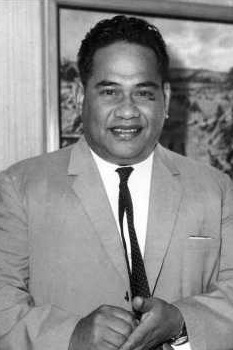
As the war turned against Japan, food on Nauru grew scarce. Allied submarines and aircraft made it ever harder to supply the island, and the Japanese command decided to reduce the number of mouths to feed. During 1943, around 1,200 Nauruans — about two-thirds of the population — were shipped in two groups to Chuuk (then known as Truk), a major Japanese base in the Caroline Islands nearly 2,000 kilometres to the north-west, to work as labourers. Among them was a young teacher named Hammer DeRoburt, who would one day lead Nauru to independence.
Conditions in Chuuk were brutal. The deportees were put to work growing food and labouring for the Japanese forces, often on starvation rations. As the Allied blockade tightened, food ran short across the whole island group, and heavy bombing raids — including the massive American attack on Chuuk in February 1944 — added to the danger. Hunger and disease took the greatest toll. By the end of the war, 463 of the deportees had died.
The several hundred Nauruans who remained on their own island suffered too. Supplies were cut off, food was requisitioned by the garrison, and islanders survived on whatever they could catch or grow while the bombing continued.
Bypassed
Nauru itself was never invaded by Allied forces. Like many Japanese-held islands in the Pacific, it was bypassed as the Allied advance moved towards Japan, and its garrison was left isolated, bombed and blockaded. The Japanese commander surrendered the island to Australian forces in September 1945, weeks after the end of the war.
Homecoming
For the survivors in Chuuk, the end of the war did not bring an immediate return. It took months to arrange transport home. At last, on 31 January 1946, a ship carrying 737 Nauruans reached the island. Families that had been separated for nearly three years were reunited — and counted their dead.
The losses of the war pushed the Nauruan population back below 1,500, the number that had been celebrated at the first Angam in 1932. Rebuilding the community became an urgent task. So did rebuilding the phosphate industry, which occupation and bombing had badly damaged.
Memory
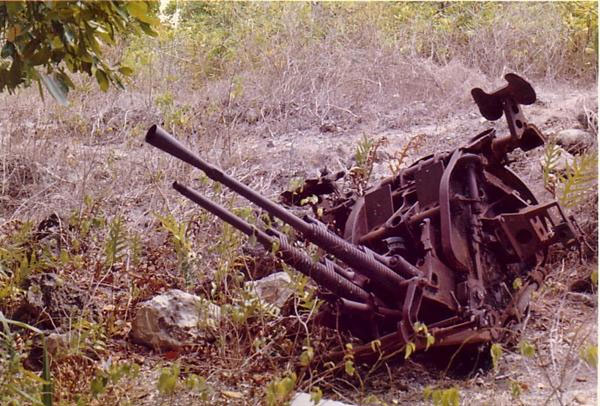
The Second World War left deep marks on Nauru. Rusting Japanese guns still stand on Command Ridge and along the coast, and bunkers and tunnels remain in the limestone. The airstrip built by forced labour became the site of the island’s airport.
But the most lasting legacy is in the national calendar. When Nauru negotiated its independence two decades later, its leaders — headed by Hammer DeRoburt, himself a survivor of Chuuk — chose 31 January as the day the new republic would be born. Independence Day marks not only the end of colonial rule, but the day in 1946 when the exiles came home.
Further reading
- Nancy Viviani, Nauru: Phosphate and Political Progress (Canberra: ANU Press, 1970).
- Maslyn Williams and Barrie Macdonald, The Phosphateers (Melbourne: Melbourne University Press, 1985).
- Collections of the Australian War Memorial, Canberra, including photographs of wartime Nauru and the 1945 surrender.