In Nauruan, angam means jubilation, triumph over hardship, reaching a goal — or simply coming home. It is also the name of one of the nation’s most important holidays. Angam Day, held every 26 October, marks the moments when the Nauruan people, after coming close to vanishing, grew back to the number they believed they needed to survive.
A shrinking people
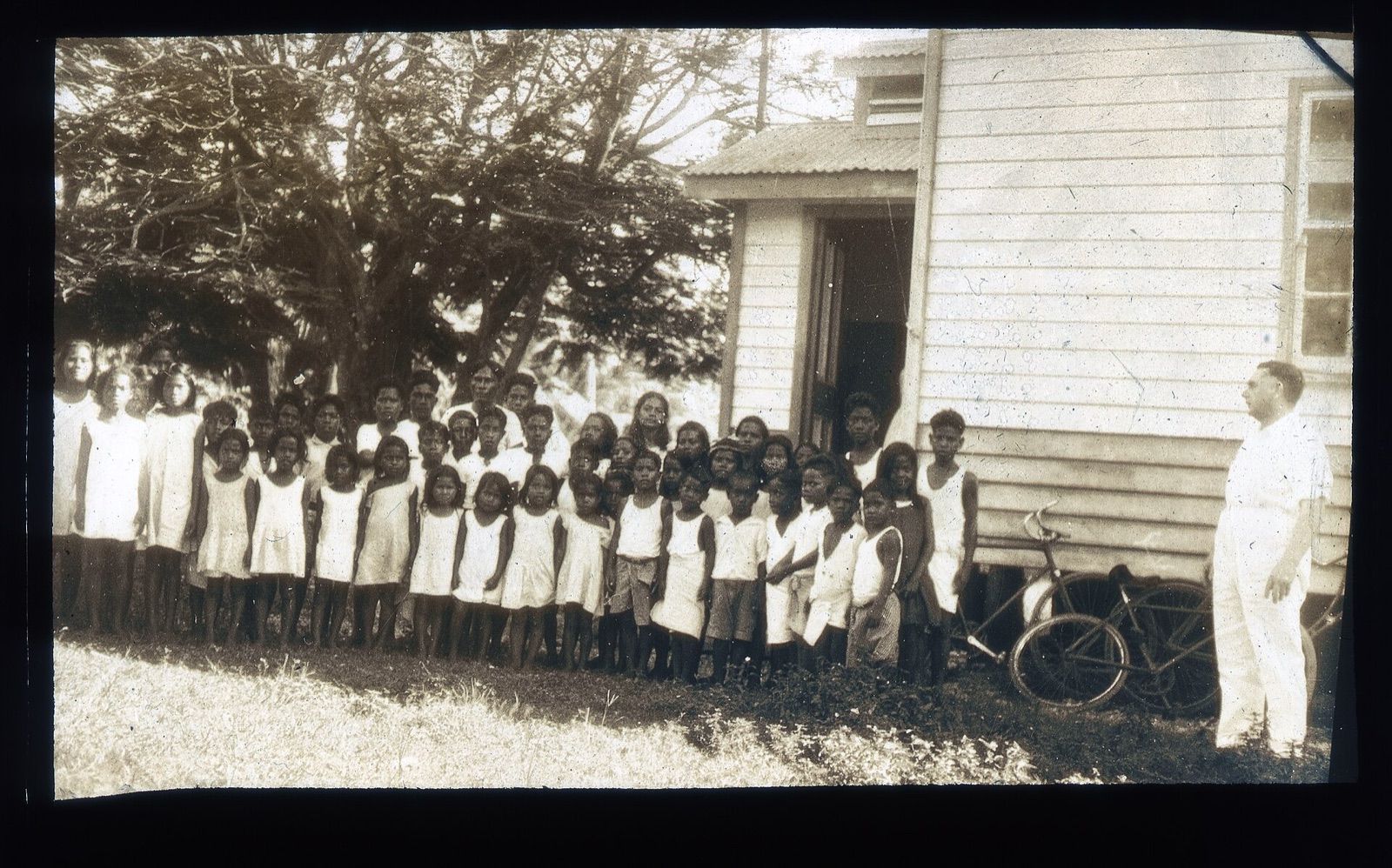
Nauru’s population was never large, but in the century after European contact it fell alarmingly. An estimate from 1843 put the number of Nauruans at around 1,400. Ten years of civil war, from 1878 to 1888, fought with imported guns, left perhaps 900 people by the time Germany annexed the island.
Disease proved an even deadlier enemy. An influenza epidemic in 1902 killed at least 219 people. When phosphate mining began a few years later, it brought hundreds of labourers from other islands and from Asia — and with them came new infections. Outbreak followed outbreak, including an epidemic of infantile paralysis, as polio was then called, in 1907.
The worst blow came soon after the First World War, when influenza struck again in the early 1920s. Around 230 islanders died — an enormous loss for such a small community.
A number to live for
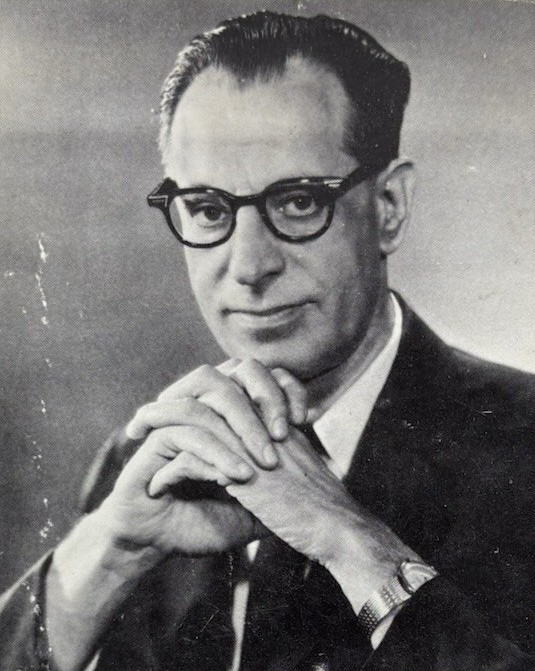
In the early 1920s, after a census revealed how few Nauruans were left, the Australian Administrator, Brigadier General Thomas Griffiths, met with the island’s chiefs. Together they settled on a target. If the Nauruans were to survive as a people, their number must be at least 1,500.
They also made a promise. The day the population reached 1,500 would be named Angam Day, and would be kept as a public holiday every year afterwards. The mother of the child who completed the number would receive a prize, and the baby would be honoured as the Angam Baby.
The first Angam
It took more than a decade. Then, on 26 October 1932, a baby girl was born who brought the Nauruan population to 1,500. The Administrator and the chiefs named her Eidagaruwo, a name expressing the feeling of reaching home, or attaining a goal.
That night, bonfires blazed on the beach of every district, and the chiefs judged which was the greatest. The prize went to Aiwo, whose fire burned with blue flames — its builders had fed it with copper wire.
Lost again
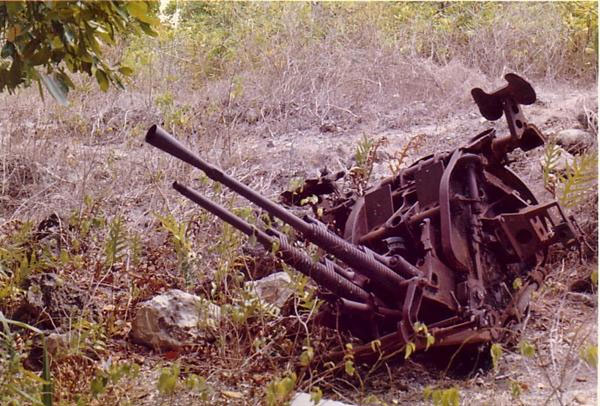
The celebration did not last. During the Japanese occupation in the Second World War, 1,201 Nauruans were deported to Chuuk, then called Truk. Only 737 of them came home in 1946. Of the roughly 600 people who had stayed behind on Nauru, about 400 survived the war.
Among those who never returned was Eidagaruwo herself. The first Angam Baby died on Chuuk of malnutrition and yaws, like so many of the other deportees. Once again, the Nauruan population had fallen below 1,500.
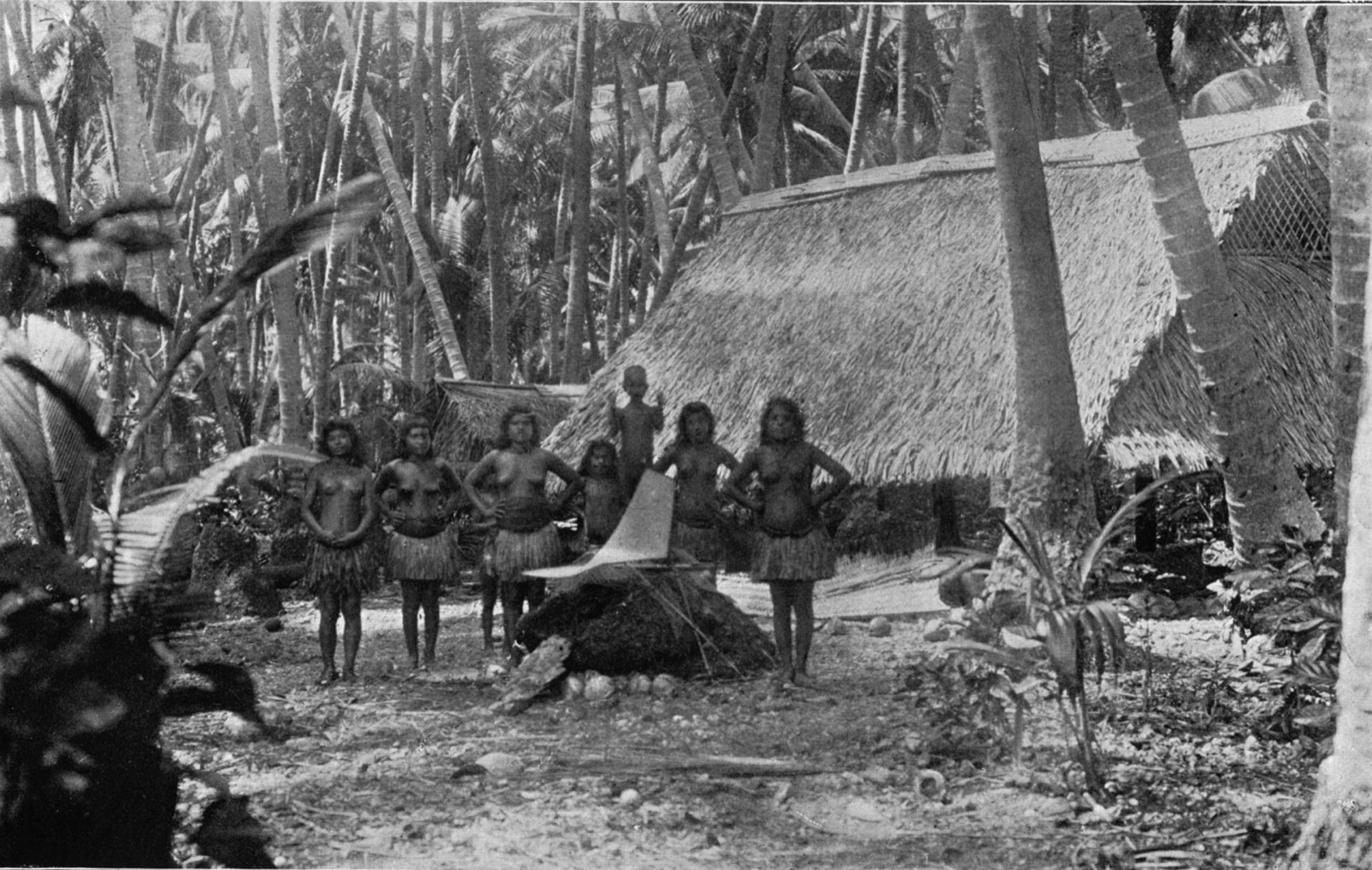
The second Angam
After the war, the task of rebuilding began a second time. On 31 March 1949, the people of Boe district celebrated the birth of Bethel Enproe Adam, daughter of Kenye and Clarence Adam, who brought the population back to 1,500. Although she was born in March, 26 October remained the official Angam Day.
Angam today
Angam Day is now both a celebration and a time of reflection. It honours the mothers and families who rebuilt the nation, and remembers those who did not survive the epidemics and the war. Survivors of the exile to Chuuk have long been at the heart of the day. In 2017, Muriel Cecil, then 91 and the oldest living Nauruan, spoke on behalf of her fellow survivors, wearing a copy of the dress that she and the other women had worn when they came home in 1946.
The fear that shaped Angam has eased. Nauru is now home to around 12,000 people. But the holiday remains a reminder of how close the Nauruan people came to disappearing — and of how, twice, they came home.
Further reading
- Nancy Viviani, Nauru: Phosphate and Political Progress (Canberra: ANU Press, 1970).
- Commonwealth Bureau of Census and Statistics, Official Year Book of the Commonwealth of Australia (Canberra), sections on the Territory of Nauru.