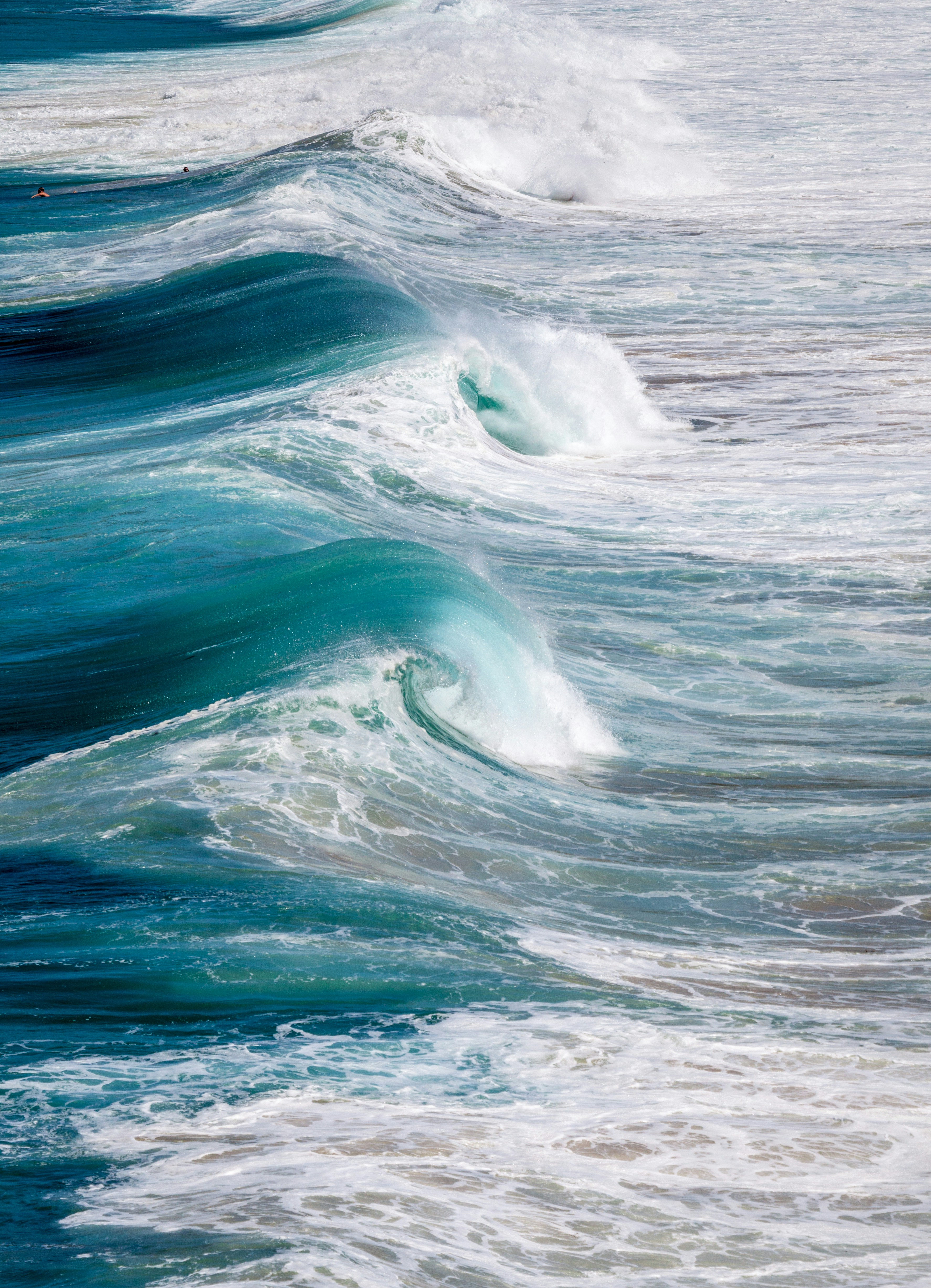
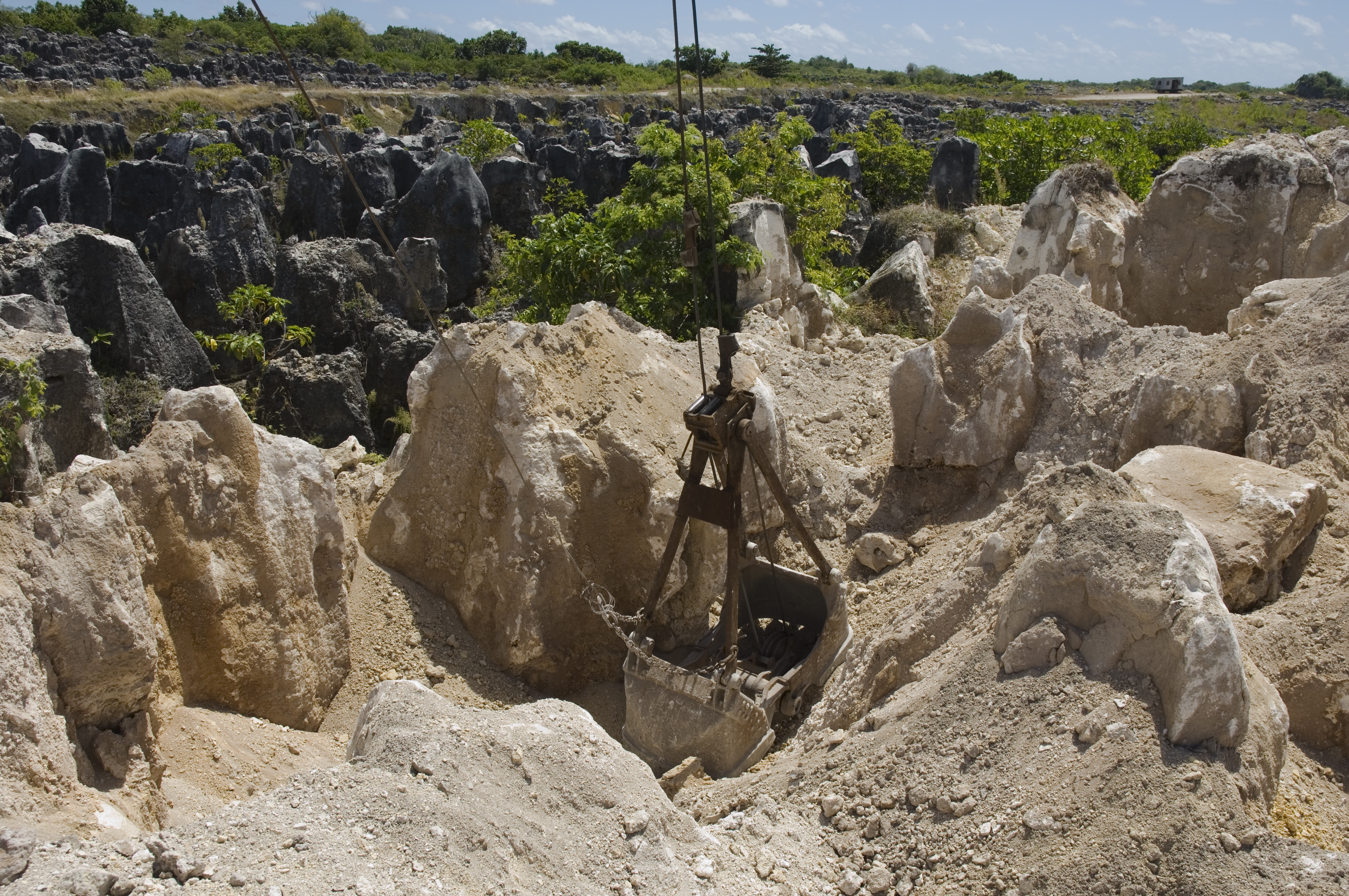
Stand on the road that circles Nauru and the island’s predicament is easy to see. On one side is the Pacific, rising slowly but steadily as the planet warms. On the other, a cliff climbs to Topside — a vast field of grey limestone pinnacles left behind by a century of mining. Between the two, on a strip of land a few hundred metres wide, live nearly all of Nauru’s people.
The question facing Nauru in the twenty-first century is how to secure a future on an island squeezed between these two pressures. Its answer is as ambitious as anything in its history: to rebuild the interior and move the nation onto higher ground.
A coast under pressure
Like other Pacific islands, Nauru is vulnerable to the effects of climate change. Rising seas and storm surges threaten homes, roads, schools and the island’s only airport, all of which sit on the coastal belt. Warmer oceans put pressure on the reef and the fish that depend on it. And drought — always a danger on an island with no rivers — threatens the thin lens of fresh groundwater on which people have relied for centuries.
Nauru is not a low atoll, and much of its land stands well above sea level. But almost none of that higher land is usable. The places where people can live are exactly the places most exposed to the sea.
The ruined interior
Topside makes up most of the island’s area. Before mining it was covered in forest and scrub, and it was where Nauruans gathered food and caught frigatebirds. After more than a century of phosphate extraction, much of it is a landscape of jagged limestone pinnacles, some many metres tall, with little soil and sparse vegetation.
The mined-out plateau may even have changed the island’s weather. Some researchers have suggested that heat rising from the bare rock of Topside can push rain clouds away from the island, making droughts worse.
Higher Ground
Nauru’s response is the Higher Ground Initiative, a long-term national plan to rehabilitate mined land on Topside and build a new community there, safely above the reach of the sea. Over time, housing and public services are intended to move up onto the plateau, alongside land for growing food, storing water and generating renewable energy.
The work is slow, difficult and expensive. The pinnacles must be broken down and levelled, soil must be created or brought in, and new drainage and water systems built. Nauru has sought support from international climate funds and partner governments, and has argued that the countries which profited most from its phosphate share a responsibility to help. In 2025 the government also launched a citizenship-by-investment programme, presenting it as one way to help pay for climate adaptation.
The seabed
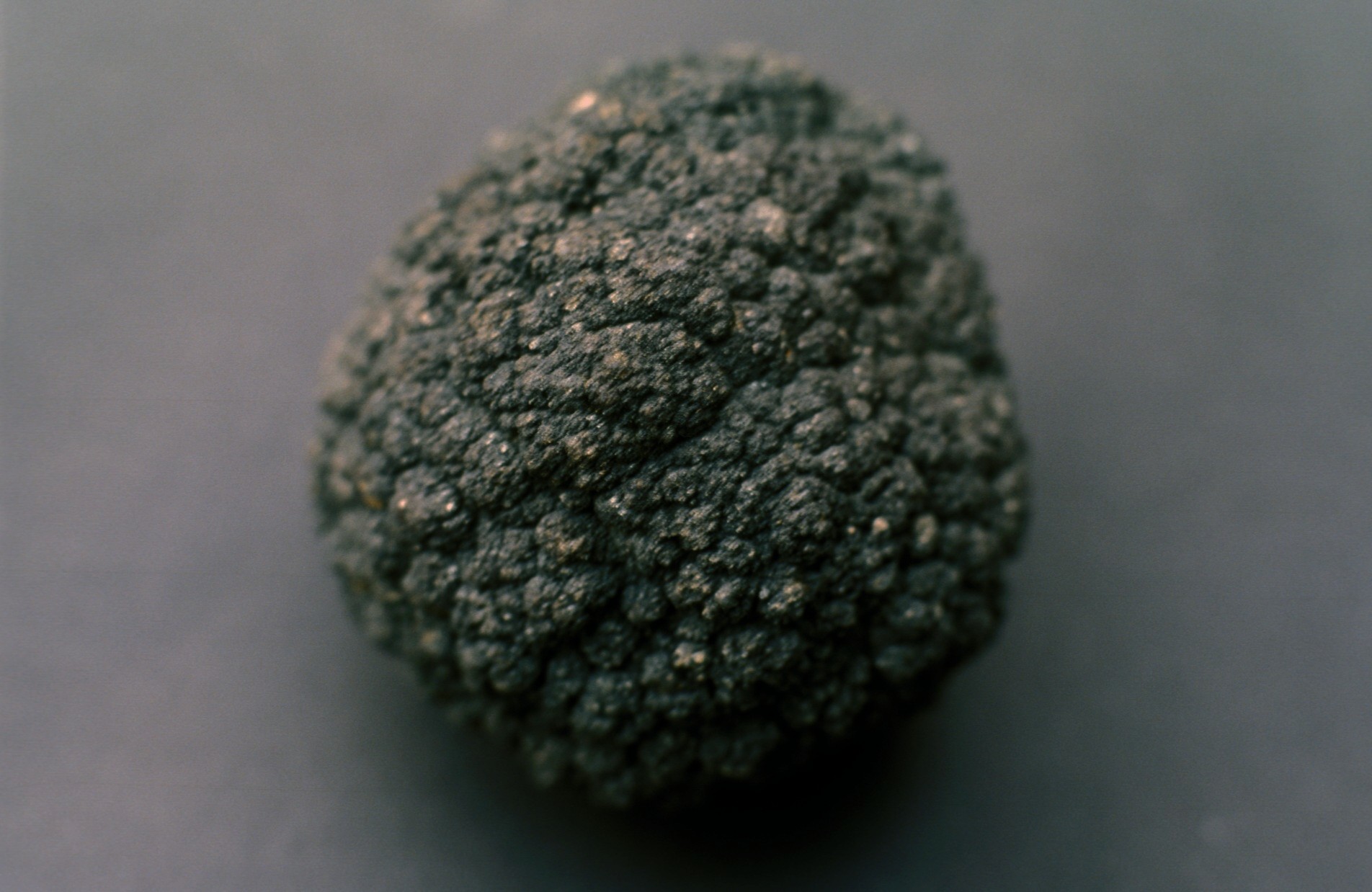
Nauru has also looked to the ocean floor for new income. Scattered across parts of the deep Pacific seabed are potato-sized nodules rich in metals such as nickel, cobalt, copper and manganese — materials in demand for batteries and electric vehicles. Mining in international waters requires a sponsoring state, and Nauru sponsors Nauru Ocean Resources Inc., a subsidiary of the Canadian-based The Metals Company, which holds an exploration licence in the Clarion–Clipperton Zone between Hawaii and Mexico.
In June 2021, Nauru invoked a provision in international law, often called the “two-year rule”, requiring the International Seabed Authority to complete its rules for commercial deep-sea mining within two years. The deadline passed in 2023 without final regulations, and negotiations have continued since.
Supporters argue that seabed minerals could fund Nauru’s future and supply metals for the clean-energy transition. Critics, including many scientists and several Pacific governments, warn of serious and poorly understood damage to deep-sea ecosystems. For an island whose own land was stripped by mining, the debate carries a particular weight.
An island with a voice
Despite its size, Nauru has become a persistent voice in international debates on climate change. As a member of the Alliance of Small Island States and the Pacific Islands Forum, it has argued for rapid cuts in global emissions and for finance to help vulnerable countries adapt.
Nauru’s history gives those arguments a sharp edge. For more than a century, the island’s land was dug up to feed farms on the other side of the world. Now its people face a threat they did little to create. Their answer — to rebuild the ruined heart of their island and move onto it — is a statement of intent. After everything, Nauruans mean to stay.
Further reading
- Christopher Weeramantry, Nauru: Environmental Damage under International Trusteeship (Melbourne: Oxford University Press, 1992).
- Carl N. McDaniel and John M. Gowdy, Paradise for Sale: A Parable of Nature (Berkeley: University of California Press, 2000).
- Government of the Republic of Nauru, publications on the Higher Ground Initiative.