When Administrator William Newman’s term came to an end on 31 December 1932, his successor had not yet arrived on Nauru. For seventeen days, from 1 to 17 January 1933, the island was in the hands of a man whose usual job was keeping its accounts: Daniel Eberhardt.
From the navy to the island
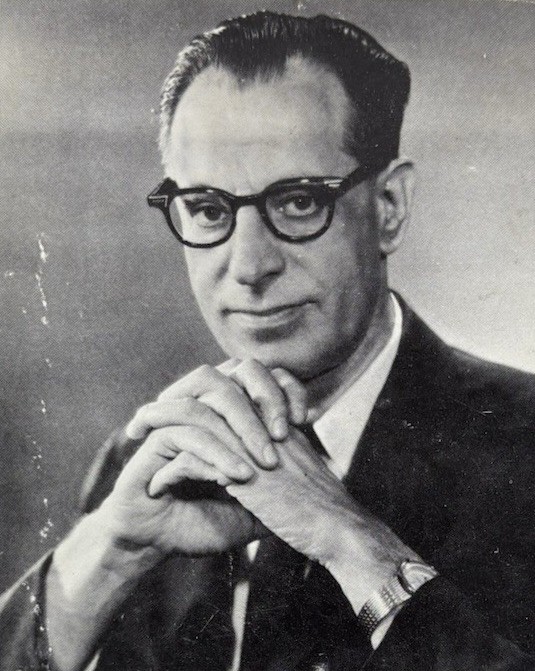
Eberhardt was born in Australia around 1885. Like many men of his generation, he enlisted in the Royal Australian Navy and served in the First World War. After returning home he trained as an accountant, and he later took a post on Nauru as the administration’s accountant and customs official.
It was an important job on an island that depended entirely on shipping. Almost everything Nauru needed — food, fuel, building materials — arrived by sea, and the phosphate that paid for the administration left the same way.
A small administration
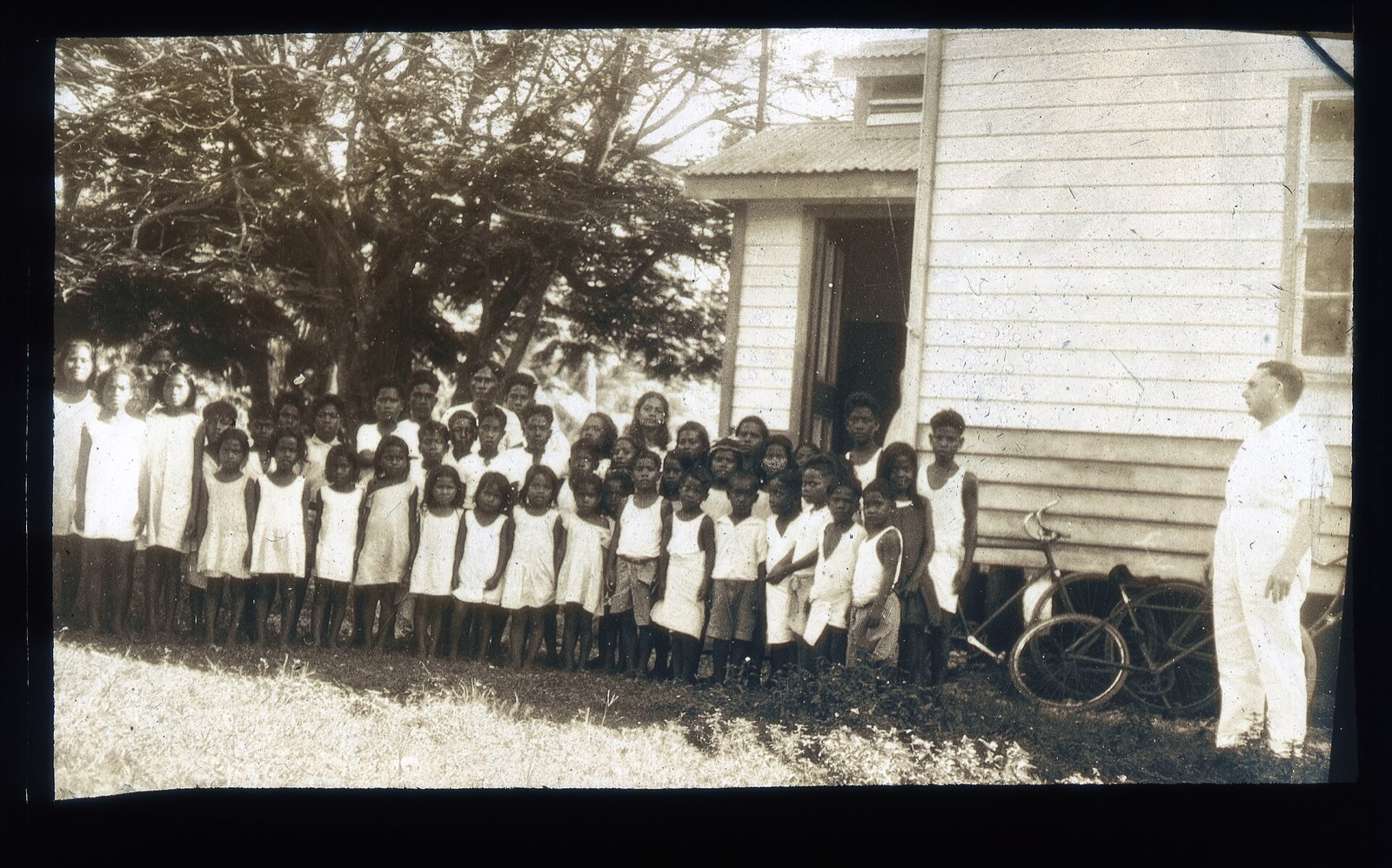
In the early 1930s, Nauru was a League of Nations mandate, governed by Australia on behalf of itself, Britain and New Zealand. The Administrator sat at the head of a small staff of officials responsible for the island’s government, while the phosphate industry was run separately by the British Phosphate Commissioners. Nauruans had their own leader in Head Chief Timothy Detudamo, appointed in 1930.
It was a hopeful moment for the island. Only weeks before Eberhardt took charge, on 26 October 1932, Nauru had celebrated the first Angam Day, when the Nauruan population finally recovered to 1,500.
Seventeen days
Rupert Clare Garsia had been appointed as Nauru’s next Administrator in 1932, but he did not reach the island until mid-January. In the meantime, Eberhardt stepped in as acting Administrator from New Year’s Day 1933.
An acting Administrator’s task was to keep the government running until the new man arrived, rather than to set new policy, and little is recorded of Eberhardt’s brief time in charge. On 17 January 1933, Garsia took over. He would govern Nauru for the next five and a half years. Eberhardt left the island shortly afterwards.
The cost of isolation
Nauru was one of the most remote postings an Australian official could be given: a single small island in the central Pacific, reachable only by ship, with a tiny community of European residents. According to his family, the isolation weighed heavily on Eberhardt, and he struggled with alcohol — a struggle that continued after he left.
He retired to Sydney with his wife, Evie. Daniel Eberhardt died in his sleep on 1 December 1951, at the age of 66.
Why his story matters
Histories of colonial Nauru tend to focus on its long-serving Administrators and on Nauruan leaders such as Timothy Detudamo and Hammer DeRoburt. Eberhardt’s seventeen days are a footnote by comparison. But his story is a reminder of the clerks, accountants and customs officers who kept the administration running from day to day — and of how many of their lives are remembered mainly by their families.
You can also read Eberhardt’s short biography, alongside every other Administrator of Nauru, on the Leaders page.