Imagine an island with no rivers, no streams and no harbour — a narrow ring of fertile land around a rocky plateau, alone in the ocean, hundreds of kilometres from its nearest neighbour. For thousands of years, this was home to the Nauruan people.
Their way of life rested on an intimate knowledge of reef, lagoon and tree, and on a social order that governed who could use which land and fish which waters. Much of what we know about it comes from Nauruan oral tradition and from observers who recorded it around the turn of the twentieth century — by which time contact with the outside world had already changed a great deal. What follows is a portrait of old Nauru as those sources describe it.
An island of limits
Nauruans lived almost entirely on the coastal belt, a strip of fertile soil a few hundred metres wide, and around the shores of Buada Lagoon. The central plateau, known today as Topside, was rough limestone country, used for gathering and for catching birds rather than for settlement.
Fresh water was the most precious resource of all. Rainfall on Nauru is highly variable, and droughts lasting many months were a recurring danger. Water was collected from the rain and drawn from the thin lens of fresh groundwater that floats above the seawater beneath the island; underground pools such as Moqua Well, in the south of the island, were also valued sources. Everything else — food, shelter, tools and canoes — had to come from the island itself or from the sea around it.
Twelve clans, one island
Nauruan society was organised into twelve clans. Descent was matrilineal: children belonged to their mother’s clan, and many rights and obligations passed down the female line. Clan membership shaped a person’s place in the community and their ties to relatives across the island.
Society was also ranked. Chiefly families held authority and prestige, and communities were spread through villages around the coast. Status could be displayed through ornament, feasting and skill at prized pastimes.
Land was of fundamental importance. Every piece of ground on the island belonged to particular individuals or families, and land could be inherited, divided and given as a gift. This intricate pattern of ownership survived into the colonial era — which meant that when phosphate mining began, every tonne dug from Topside came from land that belonged to someone.
Food from the sea
The ocean provided most of Nauru’s protein. Fishermen worked the reef flat at low tide and ventured beyond the reef edge in outrigger canoes. Around Nauru the seabed drops steeply into deep water close to shore, bringing large ocean fish within reach, and deep-sea fishing called for skill, strength and specialist knowledge handed down from one generation to the next.
On the reef itself, families gathered shellfish and small fish from the tidal pools. Knowledge of the tides, the seasons and the habits of fish was essential to survival, and very little was wasted.
Fish farming in Buada Lagoon
One of the most remarkable features of old Nauru was its aquaculture. Young milkfish, known in Nauruan as ibija, were caught as tiny fry in the sea and carefully accustomed to fresher water. They were then released into Buada Lagoon and into ponds around the island, where they grew until they were ready to eat.
The practice gave Nauruans a living store of food that did not depend on the weather at sea — a crucial advantage when storms made fishing dangerous or impossible. Milkfish raising continued long after contact, and it has been the focus of efforts to revive traditional food production in modern Nauru.
The coconut and the pandanus
On land, two trees supplied much of what people needed. The coconut palm provided food and drink, oil, fibre for rope and matting, leaves for thatch and wood for building. The pandanus, well suited to Nauru’s dry, sandy soils, produced fruit that could be eaten fresh or processed into a dried paste that kept for long periods — an important insurance against drought. Its leaves were woven into mats, sails and many everyday objects.
Other trees mattered too. The tomano tree provided timber, and a sprig of its flowers appears on Nauru’s coat of arms today.
Birds, games and string figures
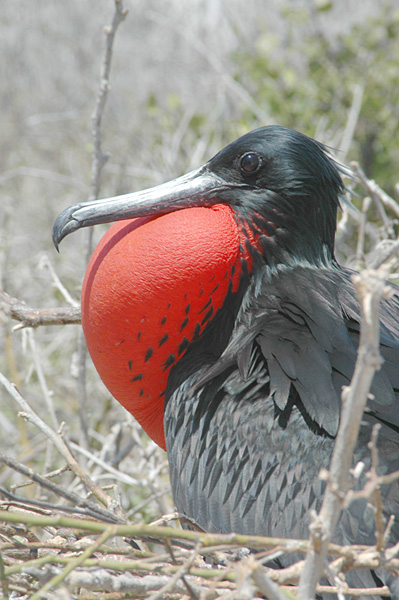
Of all the pastimes of old Nauru, few carried more prestige than catching frigatebirds. These large seabirds, with their long angular wings and forked tails, were lured close using tamed birds as decoys. The catcher would then bring a wild bird down with a weighted line — a feat demanding patience, precision and years of practice. Contests between groups of catchers were major social occasions.
Smaller seabirds, such as noddies, were caught for food. And Nauruans were celebrated for their string figures — intricate patterns made from a single loop of cord, often accompanied by chants. Visiting anthropologists in the twentieth century recorded large numbers of them, and they remain a treasured part of Nauruan heritage.
Stories and memory
Without writing, knowledge lived in memory. Genealogies, land rights, histories and songs were passed on by word of mouth, and people with detailed knowledge of these traditions held an important place in the community.
Nauruan tradition tells of a female deity, Eijebong, and of Buitani, a spirit land to which the souls of the dead travelled. In one creation story, the world was made by Areop-Enap, an ancient spider, who found a giant clam in the darkness and, with the help of other creatures, opened it to form the sky and the earth.
A way of life under pressure
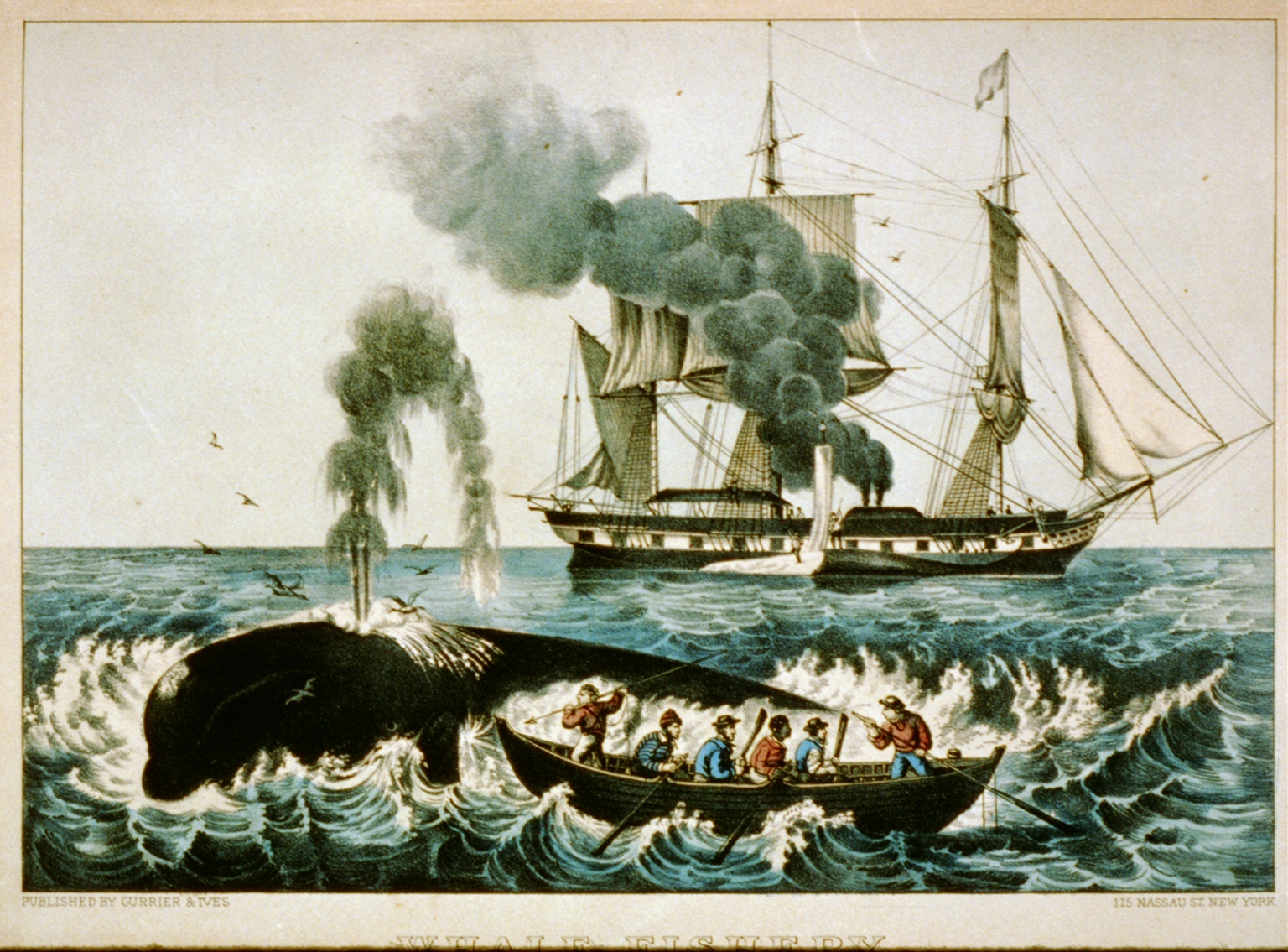
Old Nauru was not an unchanging world. Nauruans had their own history of rivalries, alliances and change long before outsiders arrived. But from the nineteenth century onward, the pace of change accelerated dramatically. Whaling ships, beachcombers, guns and alcohol brought new pressures and new dangers — and within a few generations, the discovery of phosphate would transform the island itself.
Many of the skills described here survived all of those changes. Fishing traditions, frigatebird catching and knowledge of land and genealogy are still part of Nauruan identity today, reminders of the society that first made this small island home.
Further reading
- Camilla H. Wedgwood, “Report on Research Work in Nauru Island, Central Pacific,” Oceania (1936).
- Paul Hambruch, Nauru, 2 vols. (Hamburg, 1914–15).
- Nancy Viviani, Nauru: Phosphate and Political Progress (Canberra: ANU Press, 1970).