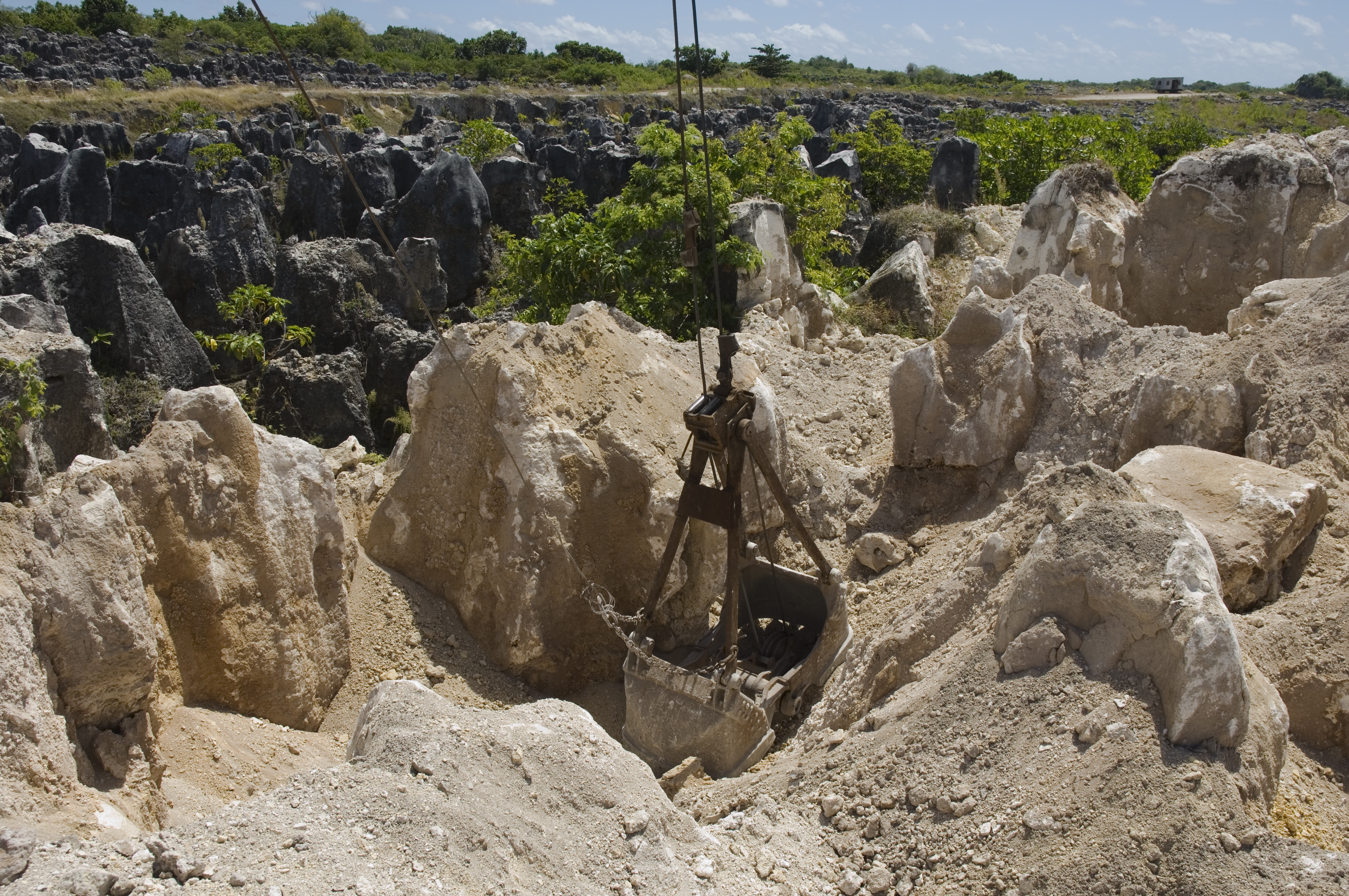
When Nauru became independent in 1968, it won control of its phosphate industry. What it did not win was any settlement for the damage done before independence. For most of the twentieth century, the land of Topside had been stripped for fertiliser shipped to Australian, New Zealand and British farms, leaving a maze of bare limestone pinnacles where forest had once grown. Twenty years after independence, Nauru decided to go to court.
A debt left in the ground
Nauru’s grievance had two parts. The first was environmental. Mining had made much of the island’s interior uninhabitable — so much so that in the 1960s Australia had seriously proposed moving the entire Nauruan population to Curtis Island, off the coast of Queensland. Nauruans refused, and the question of who would restore the mined-out land was left unresolved.
The second was financial. Nauru argued that the British Phosphate Commissioners, who ran the industry on behalf of the three partner governments, had kept the price of phosphate artificially low, depriving Nauruans of much of the value of their own land.
The Commission of Inquiry
In the late 1980s, Nauru set up an independent Commission of Inquiry into the rehabilitation of its worked-out phosphate lands, chaired by the Sri Lankan jurist Christopher Weeramantry. Its report, delivered in 1988, argued that Australia, Britain and New Zealand bore responsibility for rehabilitating the land mined before independence. When the three governments declined to accept that responsibility, Nauru turned to international law.
Getting into court
There was an obstacle. Nauru was not yet a member of the United Nations, so it had no automatic right to bring a case before the International Court of Justice. It lobbied for access, and on 19 October 1987 the UN Security Council unanimously adopted Resolution 600, which set out the conditions under which Nauru could become a party to the Court’s statute. Nauru accepted them.
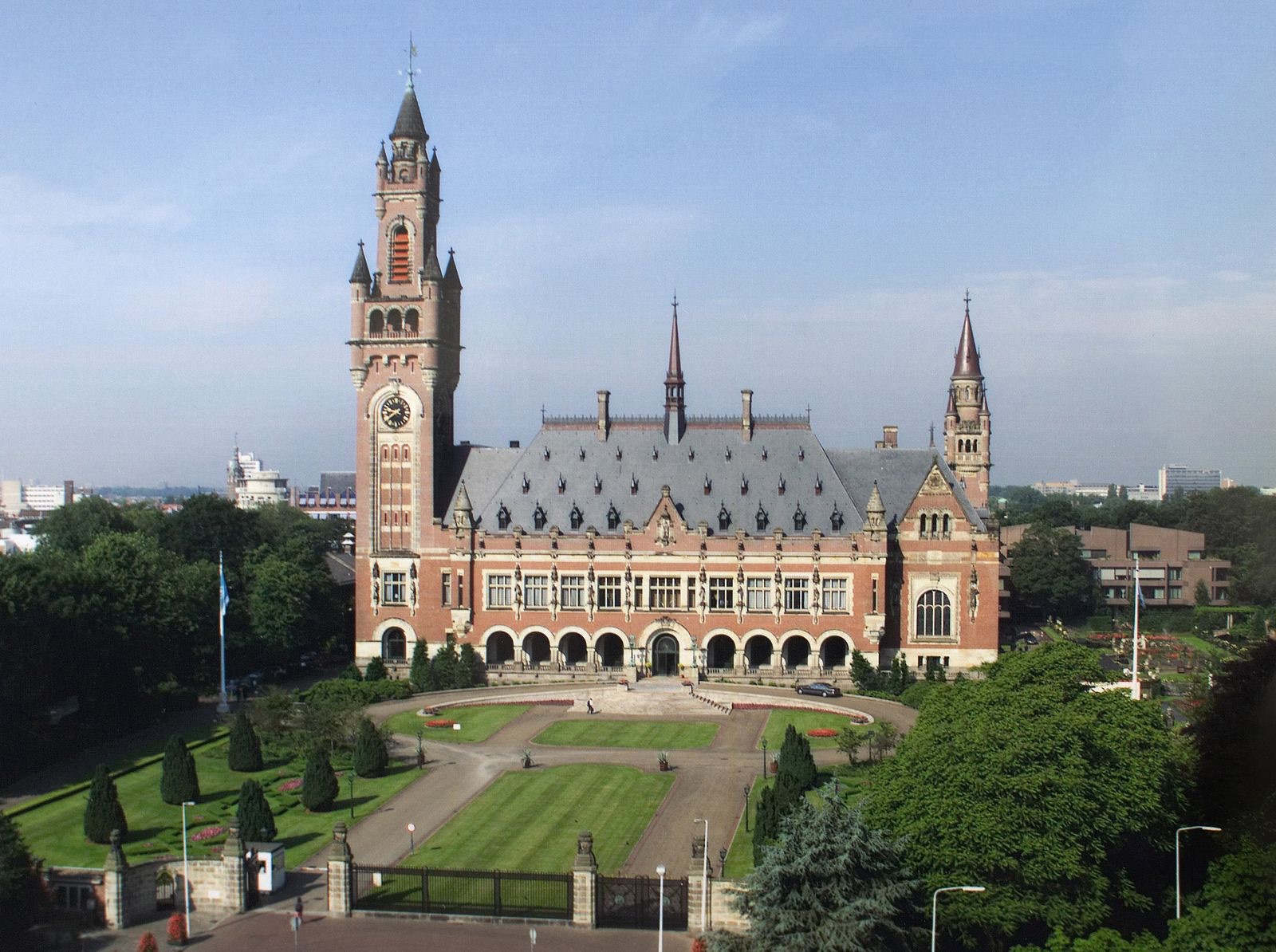
In 1989 Nauru filed its case, formally titled Certain Phosphate Lands in Nauru (Nauru v. Australia). It accused Australia, as the leading administering power, of breaching its obligations to the Nauruan people — including their right to self-determination and their sovereignty over their own natural resources.
Australia’s objections
Australia did not want the case heard, and raised a series of preliminary objections. It argued that Nauru had not raised its complaints in time, and that the Court could not rule on Australia’s responsibility without also judging Britain and New Zealand, which were not parties to the case.
In 1992 the Court rejected most of these arguments. It found that Nauru had made its grievances known in speeches and meetings over many years, and that Australia’s liability could be considered on its own. Only one part of Nauru’s claim, relating to assets of the British Phosphate Commissioners held overseas, was dismissed because it had been raised too late. The main case would go ahead.
Settlement
Faced with the prospect of a full hearing, Australia chose to negotiate. In 1993, the government of Prime Minister Paul Keating reached an out-of-court settlement with Nauru, signed with President Bernard Dowiyogo. It was reportedly worth about A$107 million in all, including A$2.5 million a year for twenty years to help rehabilitate the land. New Zealand and Britain contributed to Australia’s payment. Nauru withdrew its case, and the Court never ruled on the merits.
What came after
To carry out the work, Nauru passed the Nauru Rehabilitation Corporation Act in 1997, and the corporation itself was set up in 1999. Its task is to make the mined-out lands useful again — for housing, farming and the future of a nation running short of space. Progress has been slow and expensive, and the challenge now forms part of Nauru’s wider plans to move its people to higher ground.
Beyond Nauru, the case is still cited as an example of how the International Court of Justice can help a small state hold a powerful one to account. It showed that even a country of fewer than 10,000 people could take its former rulers to the world’s highest court — and come away with a settlement.
Further reading
- International Court of Justice, Certain Phosphate Lands in Nauru (Nauru v. Australia), Preliminary Objections, Judgment of 26 June 1992.
- Christopher Weeramantry, Nauru: Environmental Damage under International Trusteeship (Melbourne: Oxford University Press, 1992).
- Nancy Viviani, Nauru: Phosphate and Political Progress (Canberra: ANU Press, 1970).